Skip to content
  • facebook.com
  • twitter.com
  • t.me
  • instagram.com
  • youtube.com
Petroleum Engineering

Fueling Progress. Engineering Energy for the Future.

Subscribe
  • Home
  • About
  • Blog
  • Contact
  • Online Tools
  • Petroleum Engineering App
  • Home
  • Porosity
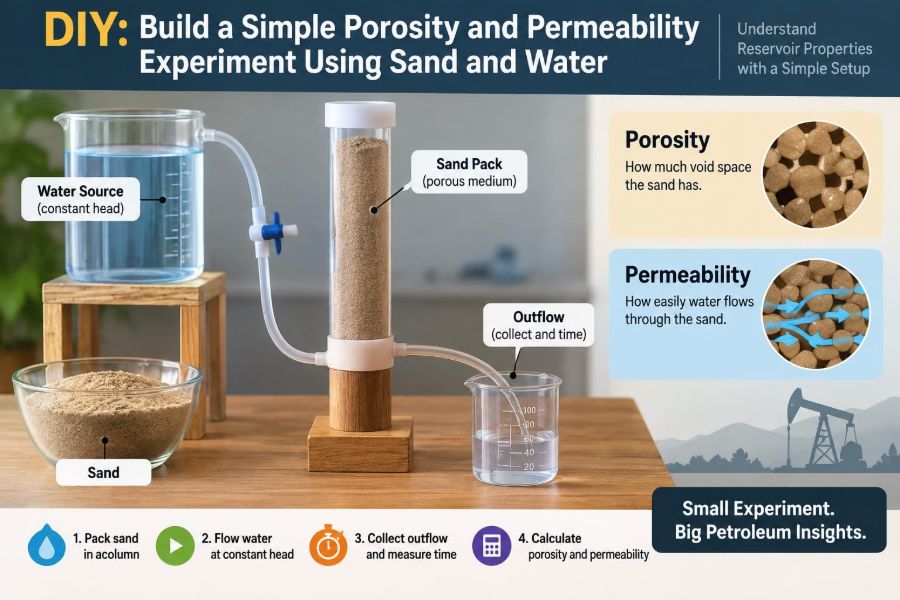
🛢️ DIY: Build a Simple Porosity and Permeability Experiment Using Sand and Water
Posted inFeatured

🛢️ DIY: Build a Simple Porosity and Permeability Experiment Using Sand and Water

Posted by admin October 26, 2026
Build a low-cost sand-and-water column to measure pore space, compare drainage, and see why storage and flow are different reservoir properties. 🔬📏🌊
Read More
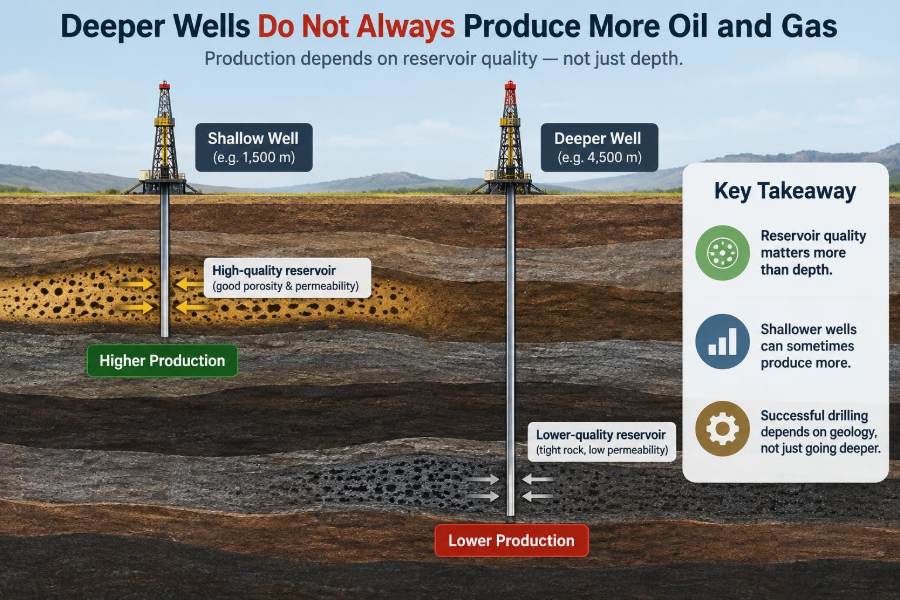
🛢️ Debunking the Myth That Deeper Wells Always Produce More Oil and Gas
Posted inFeatured

🛢️ Debunking the Myth That Deeper Wells Always Produce More Oil and Gas

Posted by admin October 15, 2026
Depth can raise pressure and cost, but it cannot guarantee a productive reservoir. Learn what truly controls oil and gas flow—from pore space to well placement. 🪨📊🧭
Read More
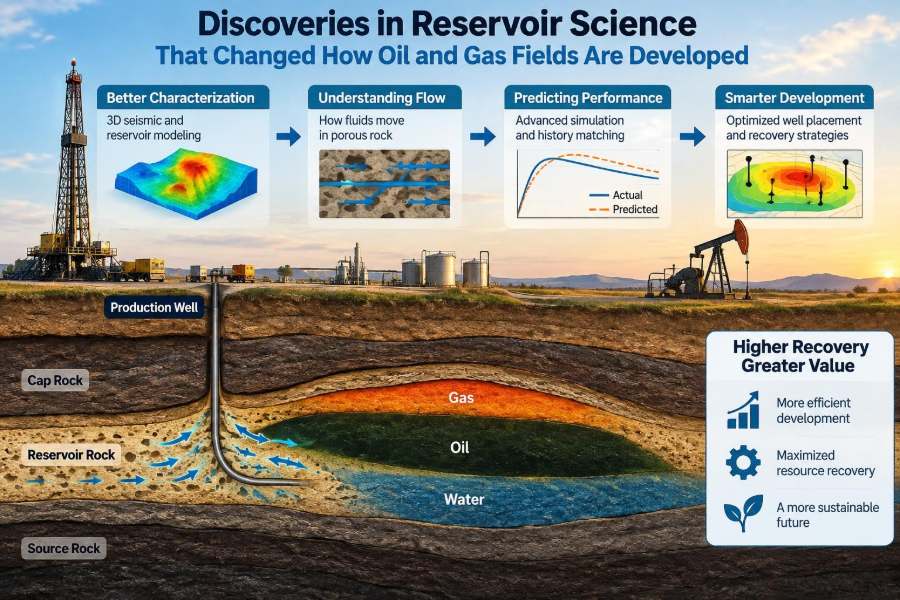
🛢️ Discoveries in Reservoir Science That Changed How Oil and Gas Fields Are Developed
Posted inFeatured

🛢️ Discoveries in Reservoir Science That Changed How Oil and Gas Fields Are Developed

Posted by admin October 11, 2026
From Darcy’s law to reservoir simulation, explore the discoveries that taught engineers to read rock, fluids, pressure, and flow before committing to a field plan. 🪨📉🧭
Read More
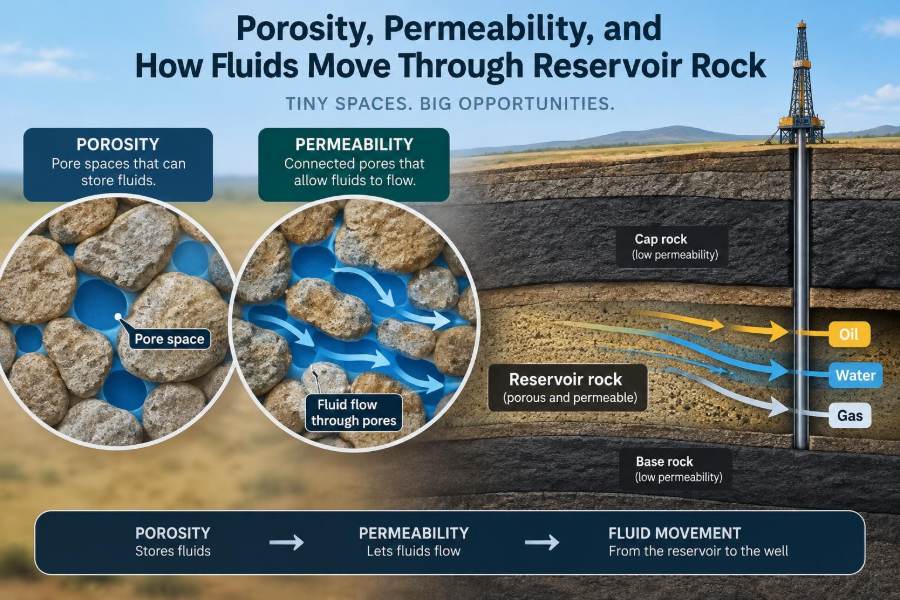
🛢️ Understanding Porosity, Permeability, and How Fluids Move Through Reservoir Rock
Posted inFeatured

🛢️ Understanding Porosity, Permeability, and How Fluids Move Through Reservoir Rock

Posted by admin September 28, 2026
A reservoir can hold plenty of oil yet produce poorly. Explore pore throats, pressure gradients, saturation, wettability, and the rock properties that control flow. 📉💧🔬
Read More
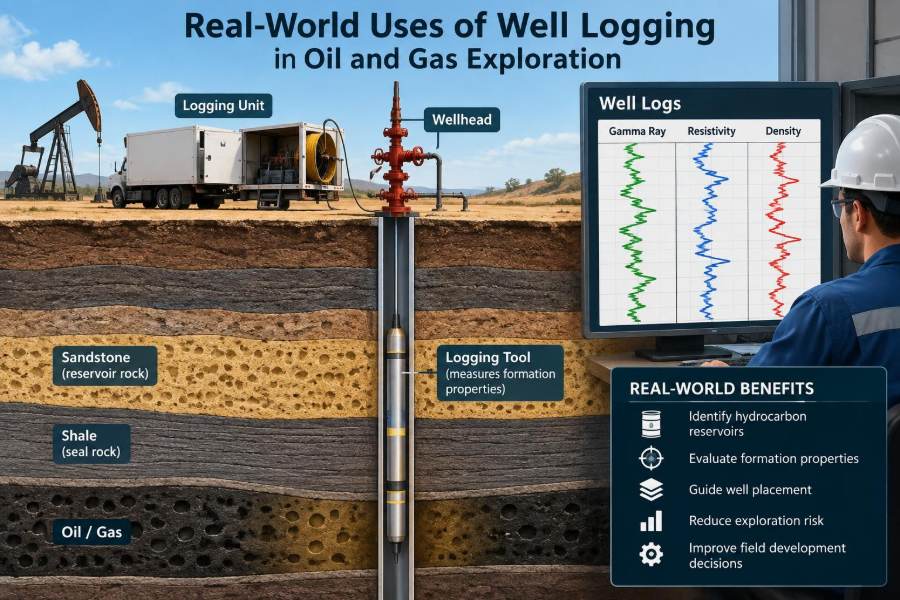
🛢️ Real-World Uses of Well Logging in Oil and Gas Exploration
Posted inFeatured

🛢️ Real-World Uses of Well Logging in Oil and Gas Exploration

Posted by admin September 27, 2026
From finding pay zones to steering horizontal wells and diagnosing water breakthrough, see how log data becomes real field decisions—not just colorful curves. 🧭🛢️🔍
Read More
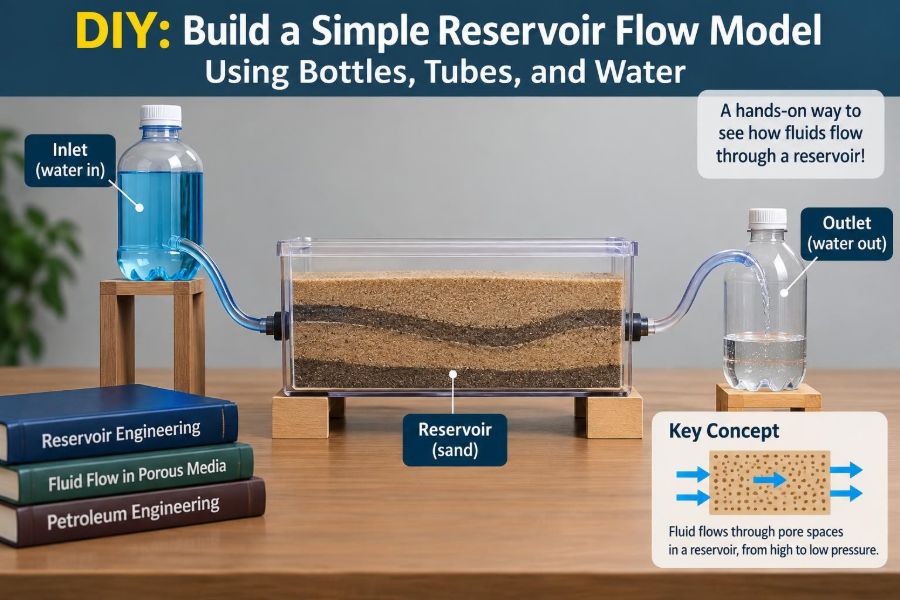
🛢️ DIY: Build a Simple Reservoir Flow Model Using Bottles, Tubes, and Water
Posted inFeatured

🛢️ DIY: Build a Simple Reservoir Flow Model Using Bottles, Tubes, and Water

Posted by admin September 22, 2026
Build a safe bottle-and-tube model to see pressure drawdown, flow resistance, permeability analogies, and water support in action. Turn simple observations into engineering insight. 📈🧪🔍
Read More
Recent Posts
  • 🛢️ How Fast Can an Oil Well Produce Before Reservoir Damage Becomes a Risk?
  • 🛢️ The Software Behind Digital Oilfields: How Well Data, Reservoir Models, and Monitoring Systems Connect
  • 🛢️ Growth of Digital Oilfields: How Data and Automation Are Changing Petroleum Operations
  • 🛢️ Useful AI Tools for Petroleum Engineers in Reservoir Analysis, Well Data, and Technical Reporting
  • 🛢️ Petroleum Engineer Salary: Why Location, Experience, and Field Roles Matter So Much
Recent Comments
    Archives
    • November 2026
    • October 2026
    • September 2026
    • August 2026
    • March 2025
    • February 2025
    • November 2021
    • August 2021
    • July 2021
    Categories
    • Advanced Concepts
    • Basics
    • chemical engg thermodynamics
    • drilling operations
    • Featured
    • fluid mechanics
    • geophysics
    • Heat Transfer
    • Introductions
    • mass transfer
    • Natural Gas
    • petroleum equipment design
    • petroleum formation evaluation
    • petroleum geology
    • petroleum production
    • petroleum refining and petrochemicals
    • reservoir engg
    Meta
    • Register
    • Log in
    • Entries feed
    • Comments feed
    • WordPress.org
    Copyright 2026 — Petroleum Engineering. All rights reserved. Bloghash WordPress Theme
    Scroll to Top