Skip to content
  • facebook.com
  • twitter.com
  • t.me
  • instagram.com
  • youtube.com
Petroleum Engineering

Fueling Progress. Engineering Energy for the Future.

Subscribe
  • Home
  • About
  • Blog
  • Contact
  • Online Tools
  • Petroleum Engineering App
  • Home
  • PVT analysis
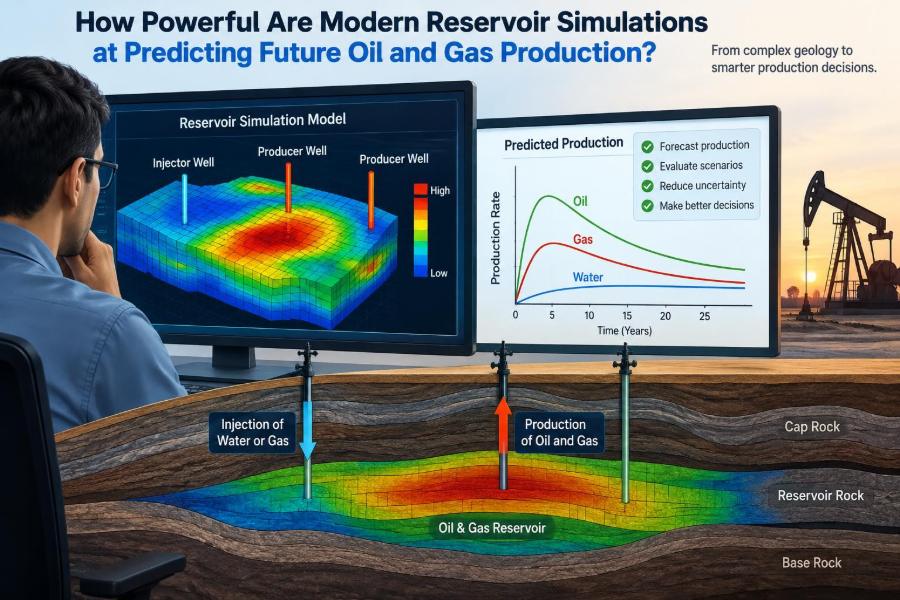
🛢️ How Powerful Are Modern Reservoir Simulations at Predicting Future Oil and Gas Production?
Posted inFeatured

🛢️ How Powerful Are Modern Reservoir Simulations at Predicting Future Oil and Gas Production?

Posted by admin October 16, 2026
Reservoir simulation can test decades of production before a well is drilled—but only when its uncertainties are understood. Learn what forecasts can, and cannot, tell you. 📊🧭🛢️
Read More
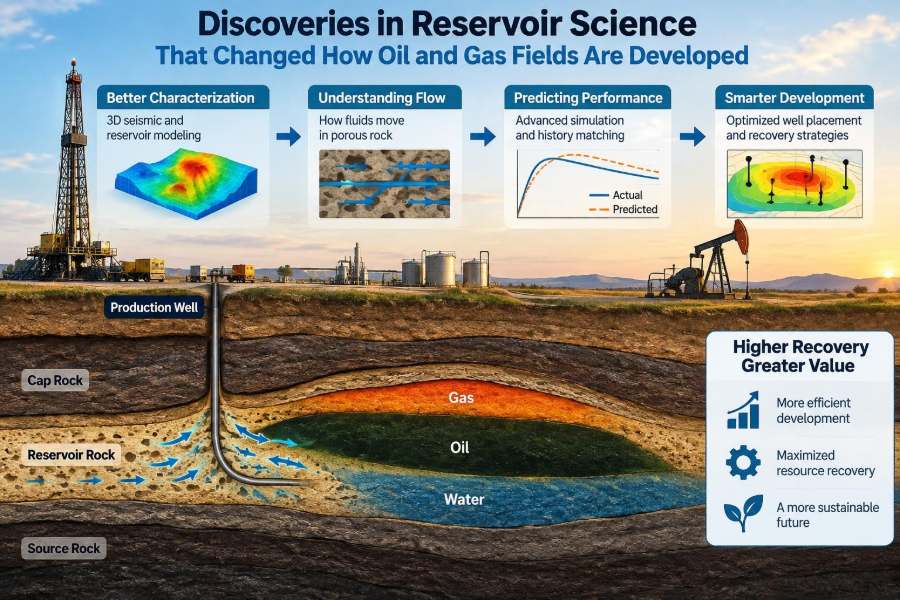
🛢️ Discoveries in Reservoir Science That Changed How Oil and Gas Fields Are Developed
Posted inFeatured

🛢️ Discoveries in Reservoir Science That Changed How Oil and Gas Fields Are Developed

Posted by admin October 11, 2026
From Darcy’s law to reservoir simulation, explore the discoveries that taught engineers to read rock, fluids, pressure, and flow before committing to a field plan. 🪨📉🧭
Read More
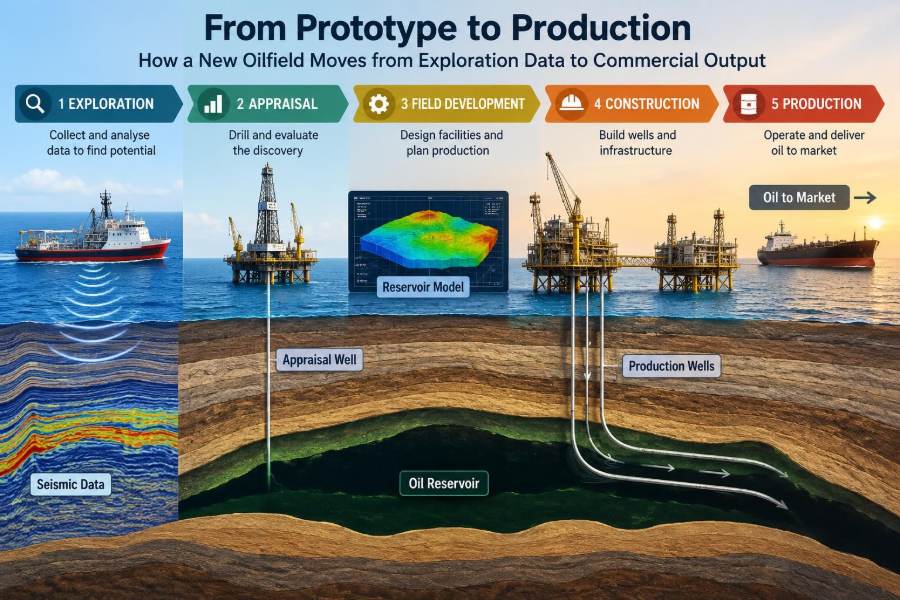
🛢️ From Prototype to Production: How a New Oilfield Moves from Exploration Data to Commercial Output
Posted inFeatured

🛢️ From Prototype to Production: How a New Oilfield Moves from Exploration Data to Commercial Output

Posted by admin October 3, 2026
A discovery is only the beginning. Follow the engineering path from appraisal wells and reservoir models to facilities, first production, and late-life closure. 📊🏭🦺
Read More
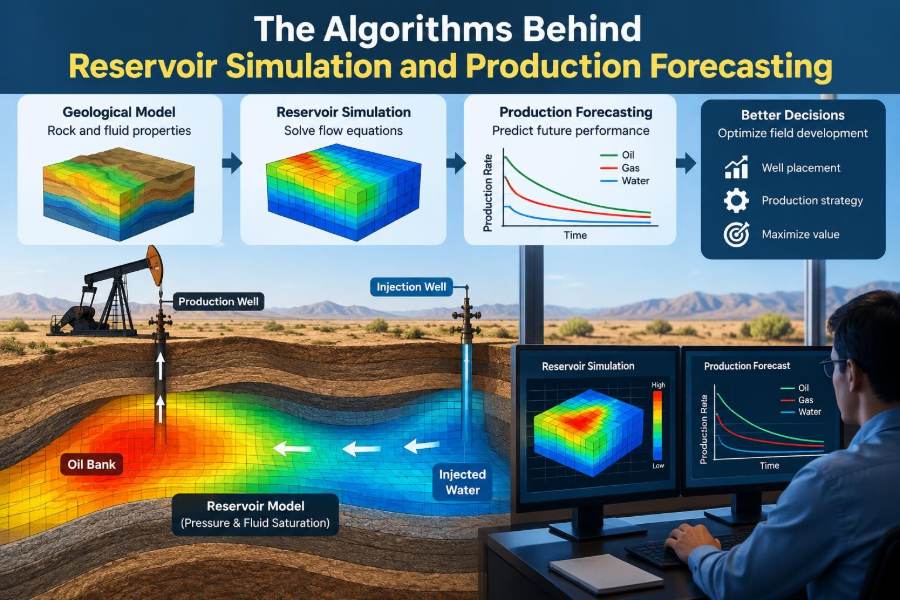
🛢️ The Algorithms Behind Reservoir Simulation and Production Forecasting
Posted inFeatured

🛢️ The Algorithms Behind Reservoir Simulation and Production Forecasting

Posted by admin October 1, 2026
Go beyond production curves: see how grids, flow equations, well controls, history matching, and uncertainty shape reservoir forecasts—and where models can mislead. 🔬📈🧠
Read More
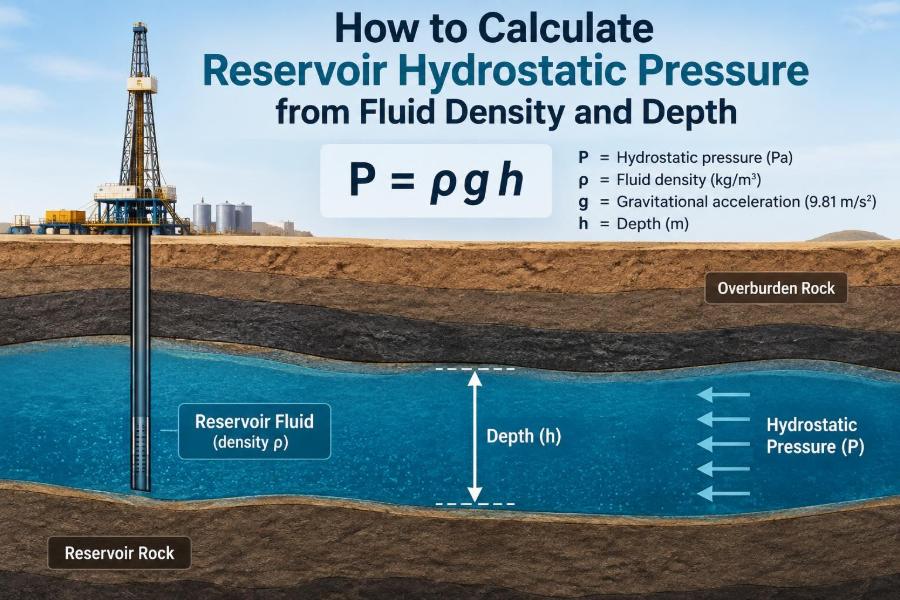
🛢️ How to Calculate Reservoir Hydrostatic Pressure from Fluid Density and Depth
Posted inFeatured

🛢️ How to Calculate Reservoir Hydrostatic Pressure from Fluid Density and Depth

Posted by admin September 30, 2026
Turn fluid density and true vertical depth into a reliable hydrostatic pressure estimate. Learn the equations, units, contacts, and traps that matter in real wells. 🧪🌊⚙️
Read More
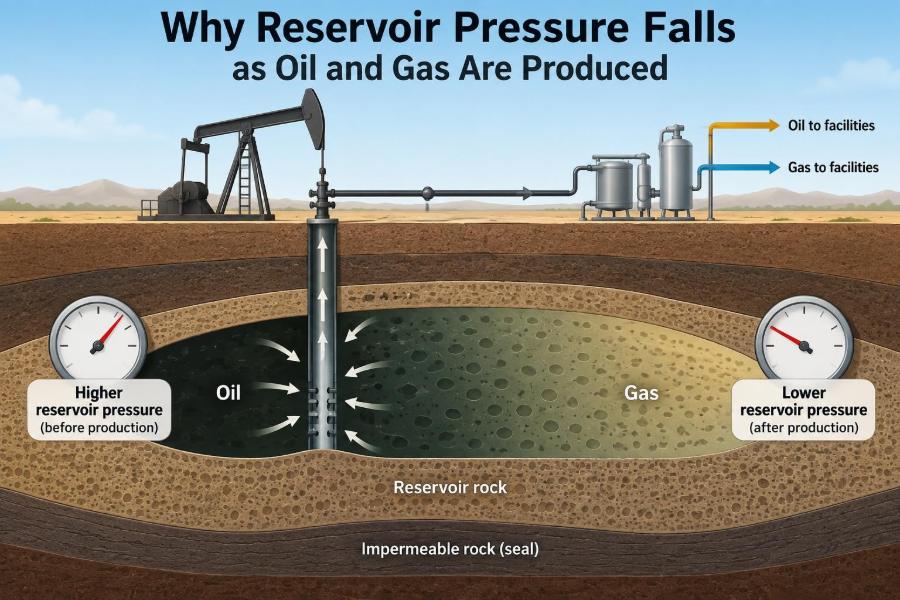
🛢️ Why Reservoir Pressure Falls as Oil and Gas Are Produced
Posted inFeatured

🛢️ Why Reservoir Pressure Falls as Oil and Gas Are Produced

Posted by admin September 24, 2026
Production removes fluids, but pressure decline is more than an empty-space problem. See how gas, water, rock, drawdown, and injection shape recovery underground. 📉💧🫧
Read More
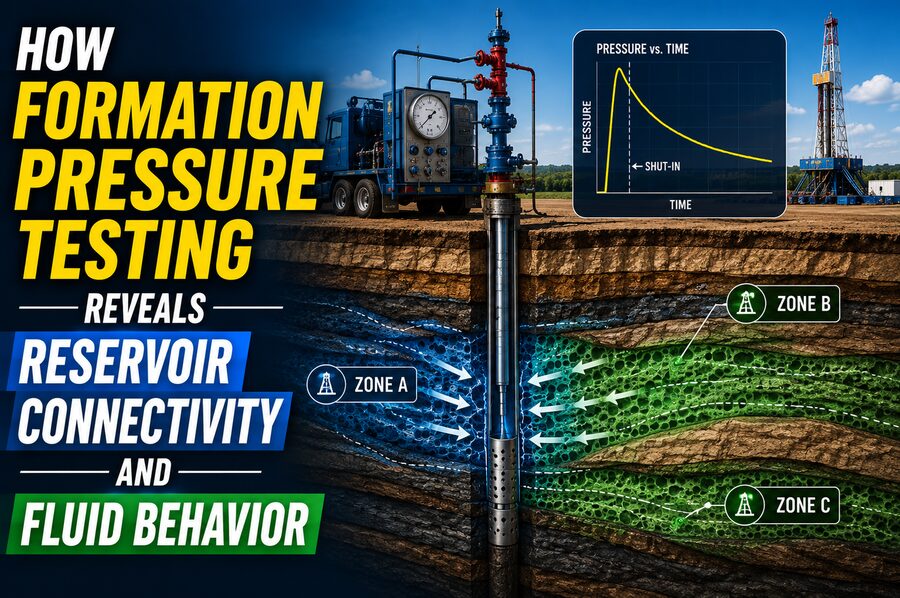
🛢️ How Formation Pressure Testing Reveals Reservoir Connectivity and Fluid Behavior
Posted inFeatured

🛢️ How Formation Pressure Testing Reveals Reservoir Connectivity and Fluid Behavior

Posted by admin August 27, 2026
Deep underground, oil and gas reservoirs are not simply empty cavities filled with hydrocarbons. They…
Read More
Recent Posts
  • 🛢️ How Powerful Are Modern Reservoir Simulations at Predicting Future Oil and Gas Production?
  • 🛢️ Fixing Declining Well Performance: How Engineers Diagnose Production Restrictions
  • 🛢️ Debunking the Myth That Deeper Wells Always Produce More Oil and Gas
  • 🛢️ How Efficient Are Enhanced Oil Recovery Methods in Mature Reservoirs?
  • 🛢️ How Efficient Are Enhanced Oil Recovery Methods in Mature Reservoirs?
Recent Comments
    Archives
    • October 2026
    • September 2026
    • August 2026
    • March 2025
    • February 2025
    • November 2021
    • August 2021
    • July 2021
    Categories
    • Advanced Concepts
    • Basics
    • chemical engg thermodynamics
    • drilling operations
    • Featured
    • fluid mechanics
    • geophysics
    • Heat Transfer
    • Introductions
    • mass transfer
    • Natural Gas
    • petroleum equipment design
    • petroleum formation evaluation
    • petroleum geology
    • petroleum production
    • petroleum refining and petrochemicals
    • reservoir engg
    Meta
    • Register
    • Log in
    • Entries feed
    • Comments feed
    • WordPress.org
    Copyright 2026 — Petroleum Engineering. All rights reserved. Bloghash WordPress Theme
    Scroll to Top