Skip to content
  • facebook.com
  • twitter.com
  • t.me
  • instagram.com
  • youtube.com
Petroleum Engineering

Fueling Progress. Engineering Energy for the Future.

Subscribe
  • Home
  • About
  • Blog
  • Contact
  • Online Tools
  • Petroleum Engineering App
  • Home
  • well completion
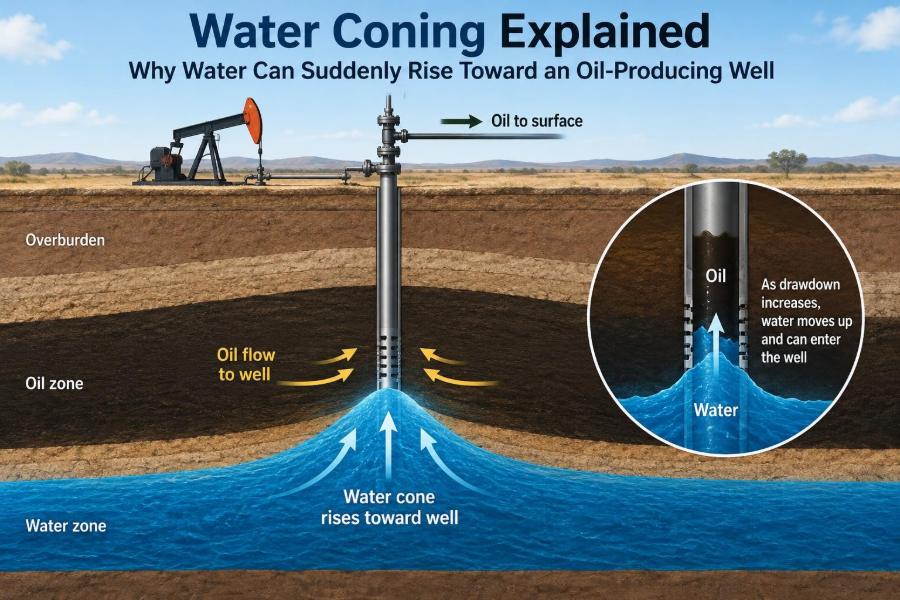
🛢️ Water Coning Explained: Why Water Can Suddenly Rise Toward an Oil-Producing Well
Posted inFeatured

🛢️ Water Coning Explained: Why Water Can Suddenly Rise Toward an Oil-Producing Well

Posted by admin November 23, 2026
A rising water cut is not always a mechanical failure. Learn what pulls water upward, how to distinguish coning from channeling, and which operating choices can help. 📉🪨🔍
Read More
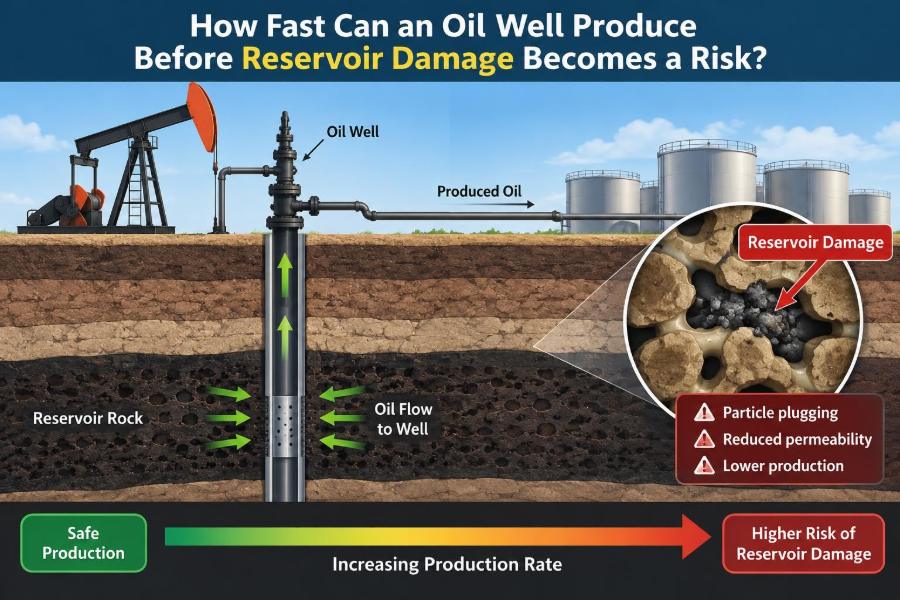
🛢️ How Fast Can an Oil Well Produce Before Reservoir Damage Becomes a Risk?
Posted inFeatured

🛢️ How Fast Can an Oil Well Produce Before Reservoir Damage Becomes a Risk?

Posted by admin November 9, 2026
A bigger choke setting can boost today’s rate—but may invite water, gas, sand, or lasting formation damage. Learn how engineers find a sustainable production window. 📉⚙️🛢️
Read More
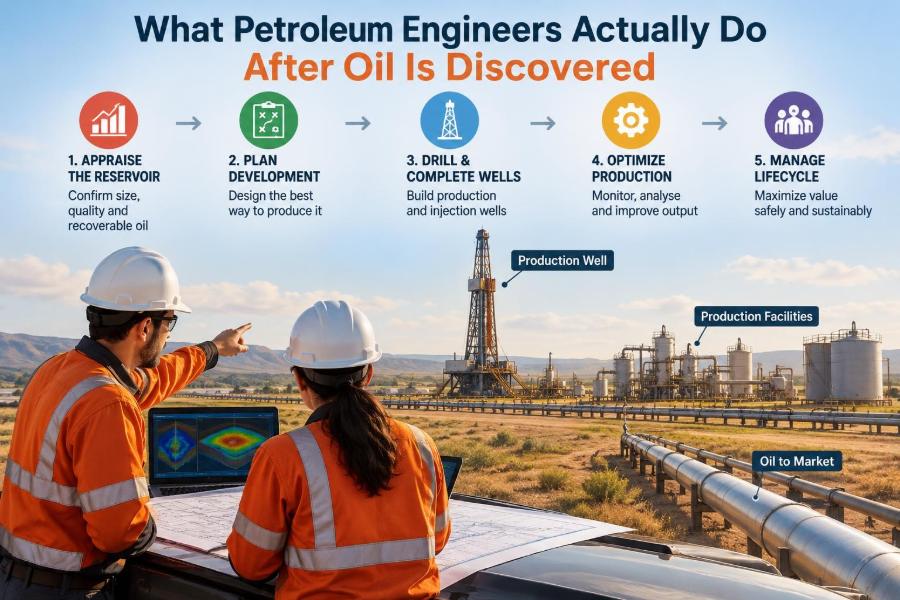
🛢️ What Petroleum Engineers Actually Do After Oil Is Discovered
Posted inFeatured

🛢️ What Petroleum Engineers Actually Do After Oil Is Discovered

Posted by admin October 31, 2026
Discovery is only the first milestone. Follow the engineering decisions behind wells, reservoirs, water, facilities, safety, and a field’s full life cycle. 📊⚙️🌍
Read More
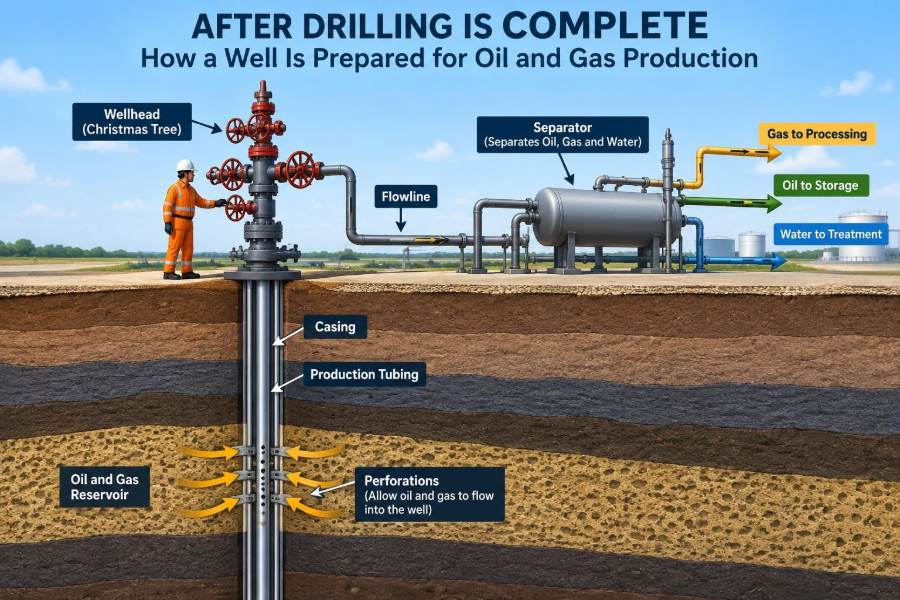
🛢️ After Drilling Is Complete: How a Well Is Prepared for Oil and Gas Production
Posted inFeatured

🛢️ After Drilling Is Complete: How a Well Is Prepared for Oil and Gas Production

Posted by admin October 30, 2026
Drilling reaches the reservoir—but completion makes production possible. Explore casing, cement, perforations, stimulation, flowback, and well integrity. ⚙️🧪🛢️
Read More
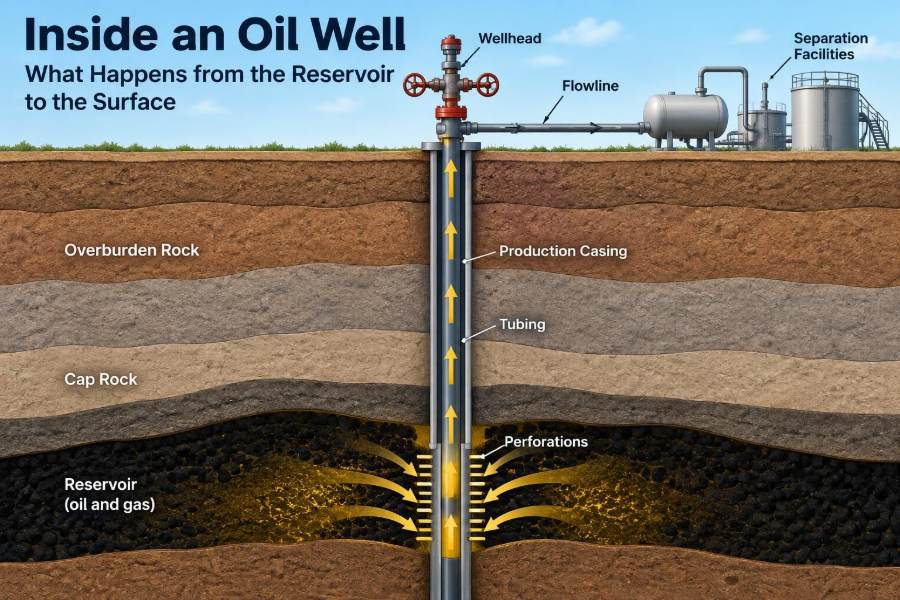
🛢️ Inside an Oil Well: What Happens from the Reservoir to the Surface
Posted inFeatured

🛢️ Inside an Oil Well: What Happens from the Reservoir to the Surface

Posted by admin October 29, 2026
Follow oil, gas, and water from microscopic reservoir pores through perforations, tubing, pumps, chokes, and separators—and see why pressure management governs every step. ⚙️🪨📈
Read More
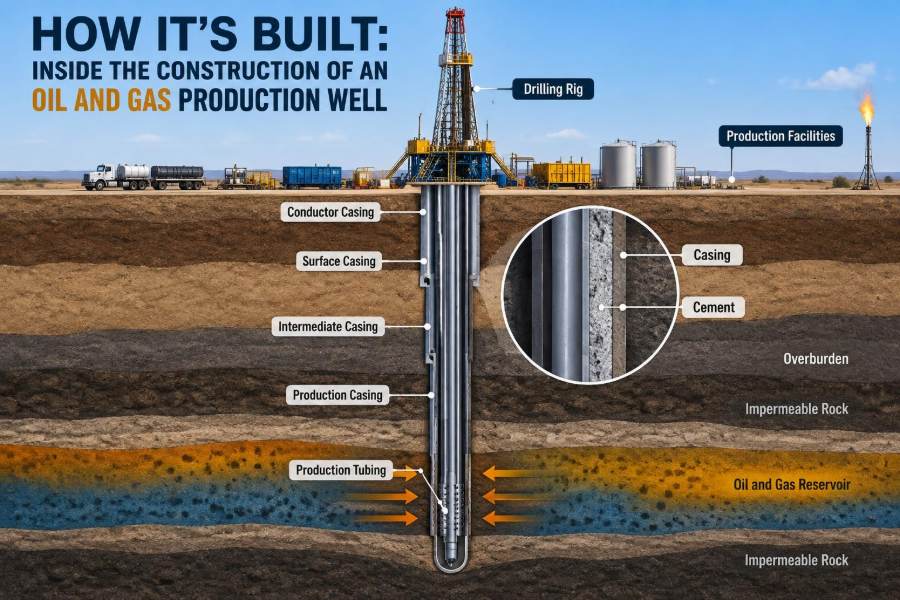
🛢️ How It’s Built: Inside the Construction of an Oil and Gas Production Well
Posted inFeatured

🛢️ How It’s Built: Inside the Construction of an Oil and Gas Production Well

Posted by admin October 28, 2026
Follow an oil and gas well from surface pad to reservoir connection—casing, cement, pressure control, completions, and the barriers that keep it manageable. 🔧🧭🛢️
Read More
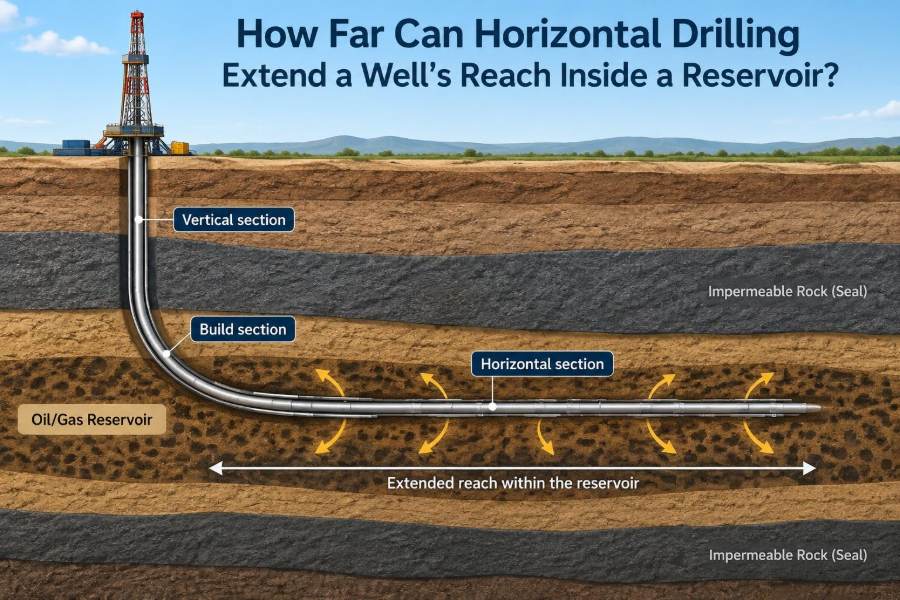
🛢️ How Far Can Horizontal Drilling Extend a Well’s Reach Inside a Reservoir?
Posted inFeatured

🛢️ How Far Can Horizontal Drilling Extend a Well’s Reach Inside a Reservoir?

Posted by admin October 20, 2026
A longer lateral can contact more reservoir rock—but friction, geology, pressure loss, and completion limits decide what is truly productive. Explore the engineering trade-offs 🧭📐🛠️
Read More
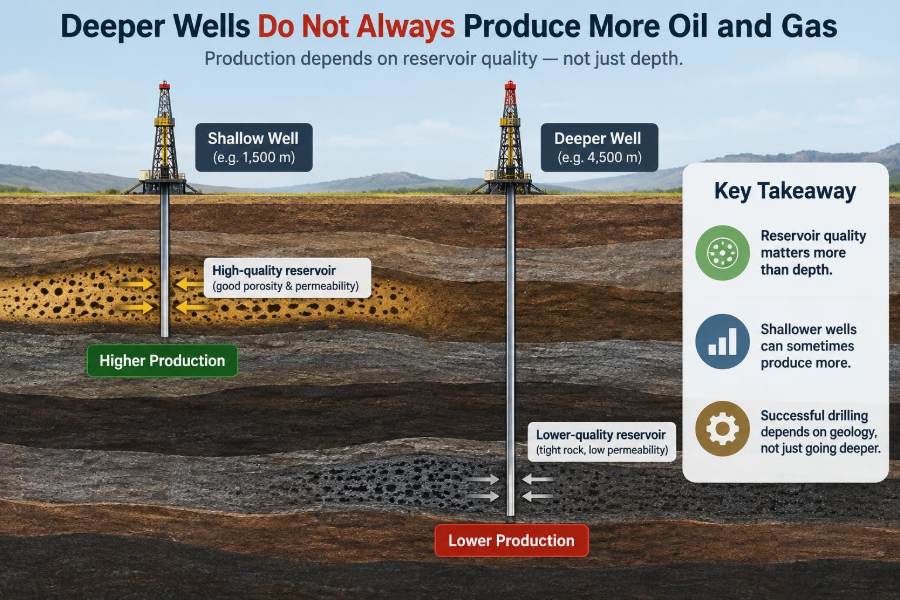
🛢️ Debunking the Myth That Deeper Wells Always Produce More Oil and Gas
Posted inFeatured

🛢️ Debunking the Myth That Deeper Wells Always Produce More Oil and Gas

Posted by admin October 15, 2026
Depth can raise pressure and cost, but it cannot guarantee a productive reservoir. Learn what truly controls oil and gas flow—from pore space to well placement. 🪨📊🧭
Read More
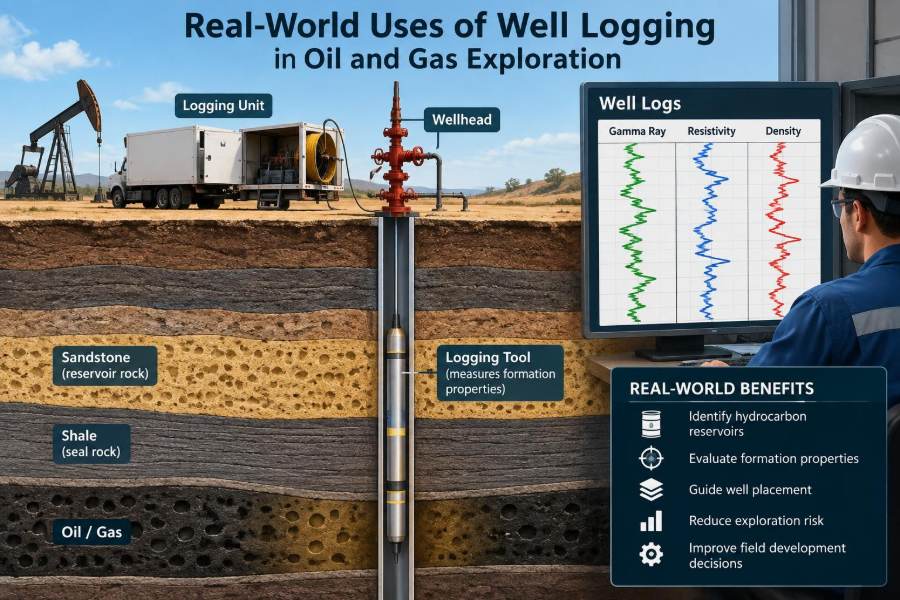
🛢️ Real-World Uses of Well Logging in Oil and Gas Exploration
Posted inFeatured

🛢️ Real-World Uses of Well Logging in Oil and Gas Exploration

Posted by admin September 27, 2026
From finding pay zones to steering horizontal wells and diagnosing water breakthrough, see how log data becomes real field decisions—not just colorful curves. 🧭🛢️🔍
Read More
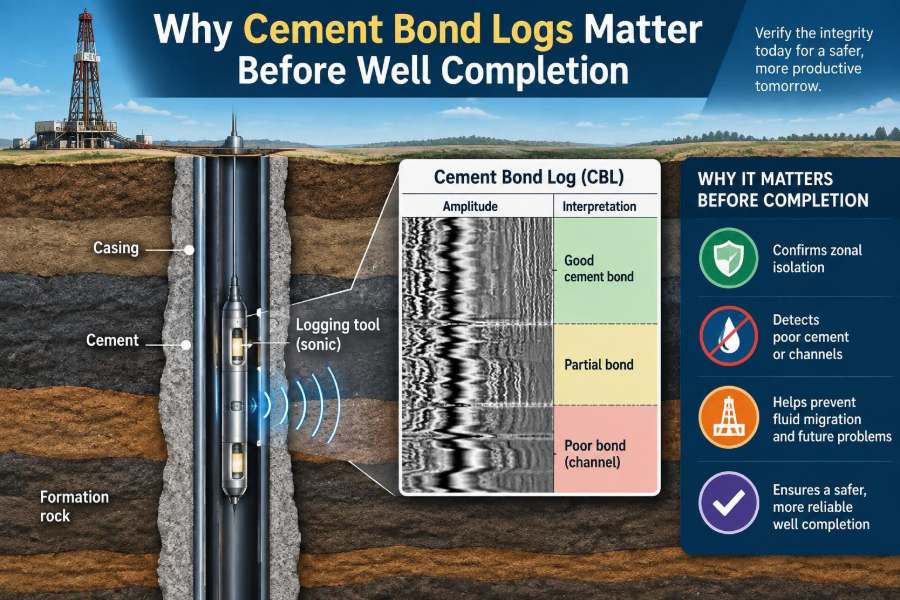
🧱 Why Cement Bond Logs Matter Before Well Completion
Posted inFeatured

🧱 Why Cement Bond Logs Matter Before Well Completion

Posted by admin September 17, 2026
Before perforating a well, learn what cement bond logs can reveal about hidden channels, microannuli, and zonal isolation—and why one curve is never the full answer. 🛢️📊🧱
Read More

Posts pagination

1 2 Next page
Recent Posts
  • 🛢️ Why Gas Hydrates Form Inside Oil and Gas Pipelines and How Engineers Prevent Blockages
  • 🛢️ How Drilling Mud Weight Is Chosen to Control Formation Pressure Without Damaging the Well
  • 🛢️ What Is Pressure Transient Analysis and What Can It Reveal About an Oil Reservoir?
  • 🛢️ Why Gas Breakthrough Can Suddenly Change the Performance of a Producing Well
  • 🛢️ Water Coning Explained: Why Water Can Suddenly Rise Toward an Oil-Producing Well
Recent Comments
    Archives
    • November 2026
    • October 2026
    • September 2026
    • August 2026
    • March 2025
    • February 2025
    • November 2021
    • August 2021
    • July 2021
    Categories
    • Advanced Concepts
    • Basics
    • chemical engg thermodynamics
    • drilling operations
    • Featured
    • fluid mechanics
    • geophysics
    • Heat Transfer
    • Introductions
    • mass transfer
    • Natural Gas
    • petroleum equipment design
    • petroleum formation evaluation
    • petroleum geology
    • petroleum production
    • petroleum refining and petrochemicals
    • reservoir engg
    Meta
    • Register
    • Log in
    • Entries feed
    • Comments feed
    • WordPress.org
    Copyright 2026 — Petroleum Engineering. All rights reserved. Bloghash WordPress Theme
    Scroll to Top