Skip to content
  • facebook.com
  • twitter.com
  • t.me
  • instagram.com
  • youtube.com
Petroleum Engineering

Fueling Progress. Engineering Energy for the Future.

Subscribe
  • Home
  • About
  • Blog
  • Contact
  • Online Tools
  • Petroleum Engineering App
  • Home
  • 2026
  • Page 2
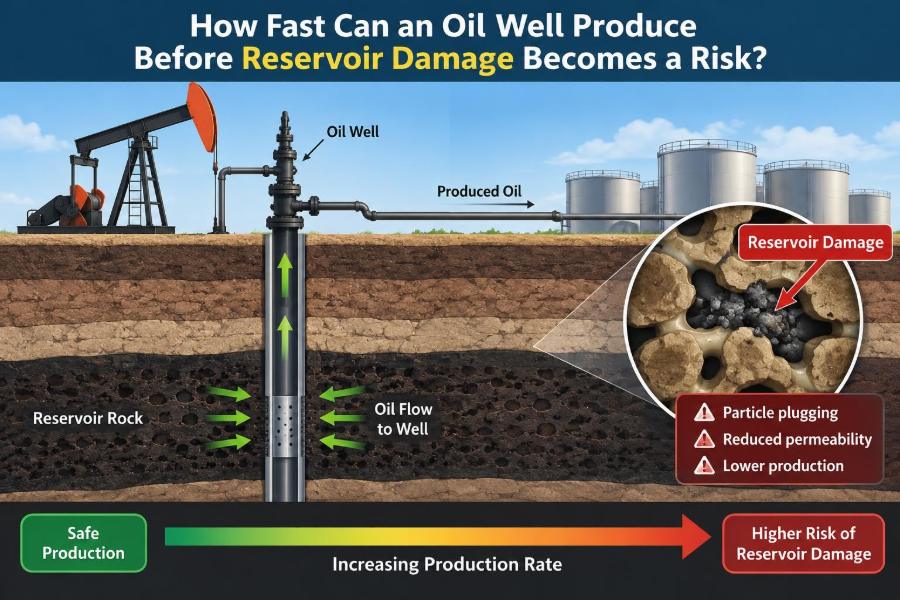
🛢️ How Fast Can an Oil Well Produce Before Reservoir Damage Becomes a Risk?
Posted inFeatured

🛢️ How Fast Can an Oil Well Produce Before Reservoir Damage Becomes a Risk?

Posted by admin November 9, 2026
A bigger choke setting can boost today’s rate—but may invite water, gas, sand, or lasting formation damage. Learn how engineers find a sustainable production window. 📉⚙️🛢️
Read More
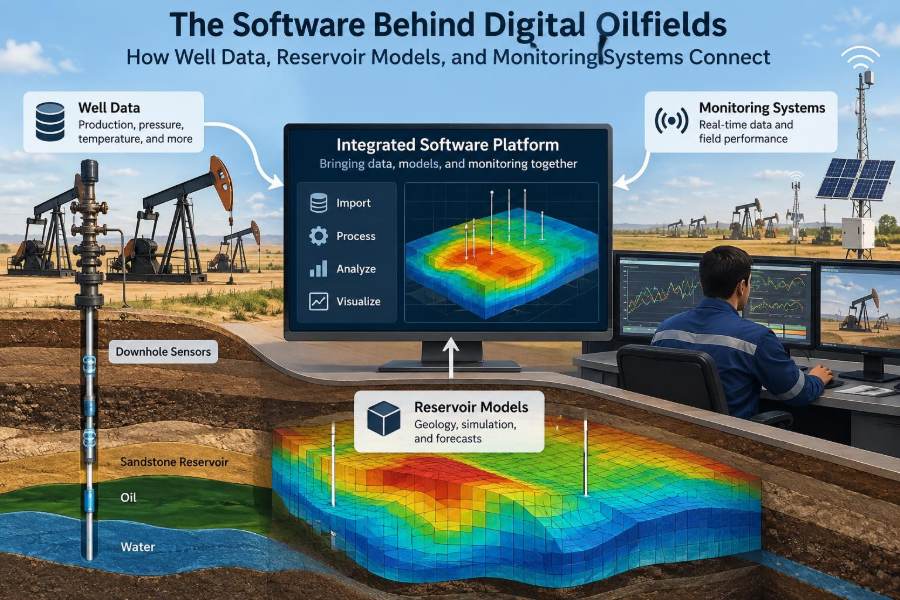
🛢️ The Software Behind Digital Oilfields: How Well Data, Reservoir Models, and Monitoring Systems Connect
Posted inFeatured

🛢️ The Software Behind Digital Oilfields: How Well Data, Reservoir Models, and Monitoring Systems Connect

Posted by admin November 9, 2026
Follow a production signal from the wellhead to reservoir models, surveillance alerts, and field action. Learn where data quality, engineering judgment, and secure systems meet. ⚙️🧠🔐
Read More
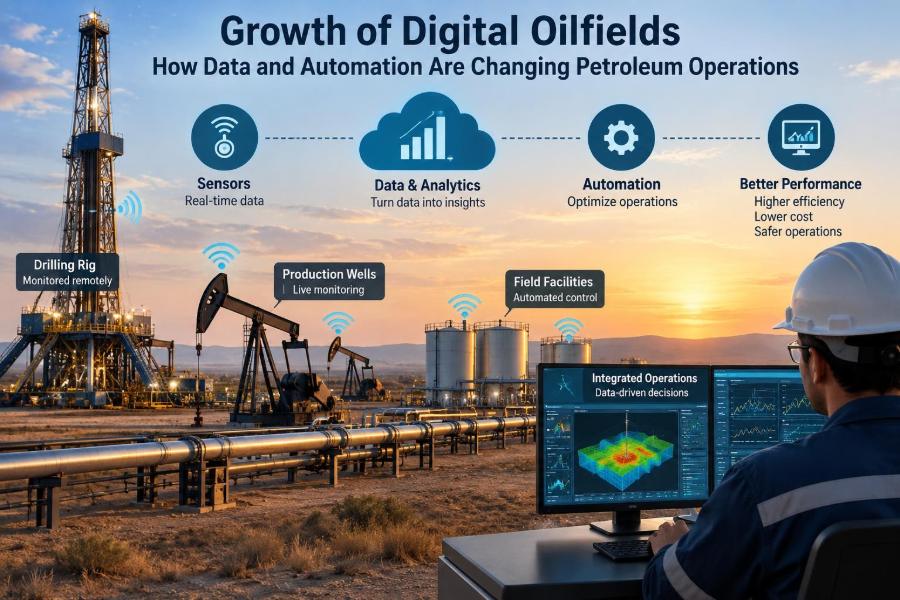
🛢️ Growth of Digital Oilfields: How Data and Automation Are Changing Petroleum Operations
Posted inFeatured

🛢️ Growth of Digital Oilfields: How Data and Automation Are Changing Petroleum Operations

Posted by admin November 8, 2026
From remote sensors to predictive maintenance and closed-loop control, see how digital oilfields change daily petroleum work—and where human judgment still matters. ⚙️🧠🦺
Read More
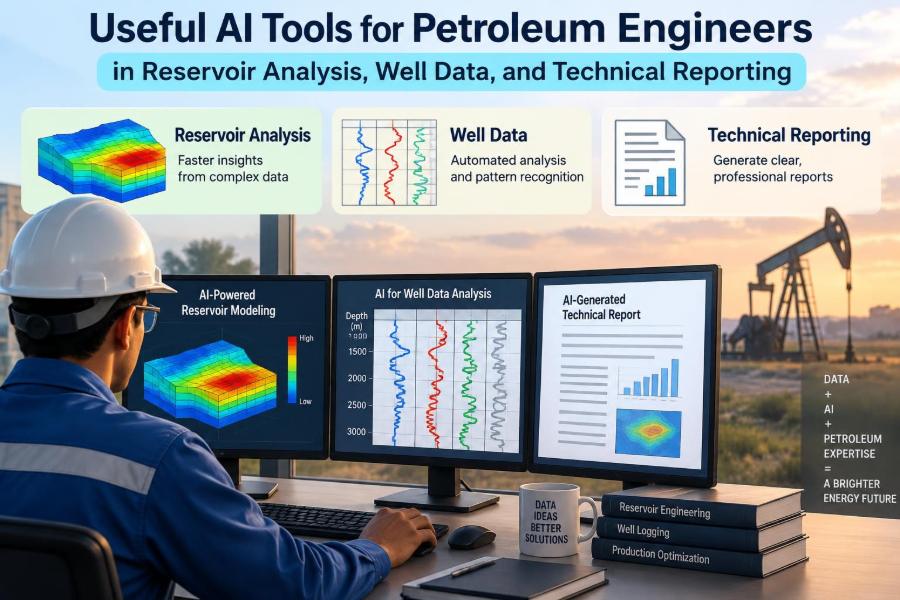
🛢️ Useful AI Tools for Petroleum Engineers in Reservoir Analysis, Well Data, and Technical Reporting
Posted inFeatured

🛢️ Useful AI Tools for Petroleum Engineers in Reservoir Analysis, Well Data, and Technical Reporting

Posted by admin November 6, 2026
Explore practical AI uses for well data, reservoir analysis, simulation workflows, and technical reports—plus the checks that keep fast outputs trustworthy. 📊🔍🧠
Read More
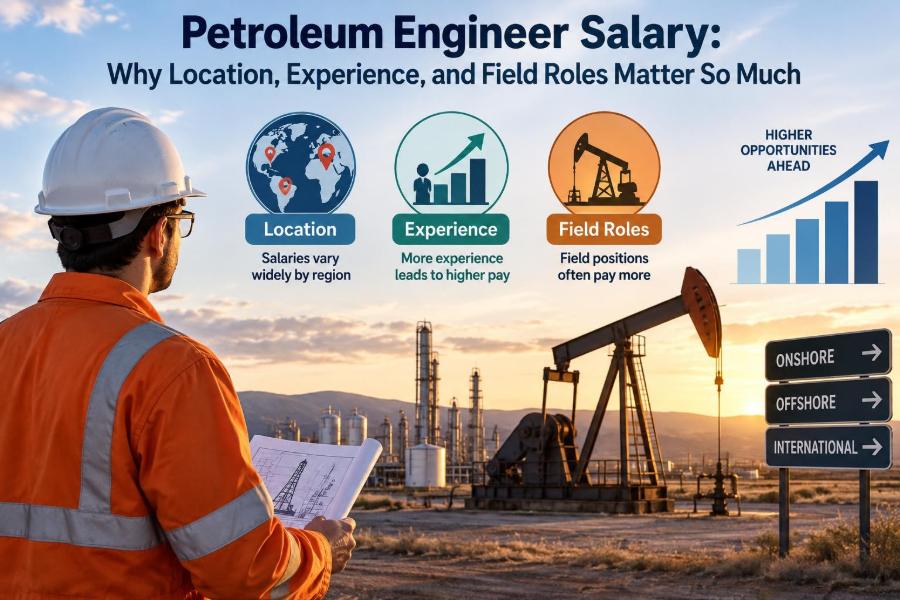
🛢️ Petroleum Engineer Salary: Why Location, Experience, and Field Roles Matter So Much
Posted inFeatured

🛢️ Petroleum Engineer Salary: Why Location, Experience, and Field Roles Matter So Much

Posted by admin November 6, 2026
Location, experience, field rotations, and job responsibility can change the real value of an offer. Learn what to compare beyond base pay. 📍💼🛢️
Read More
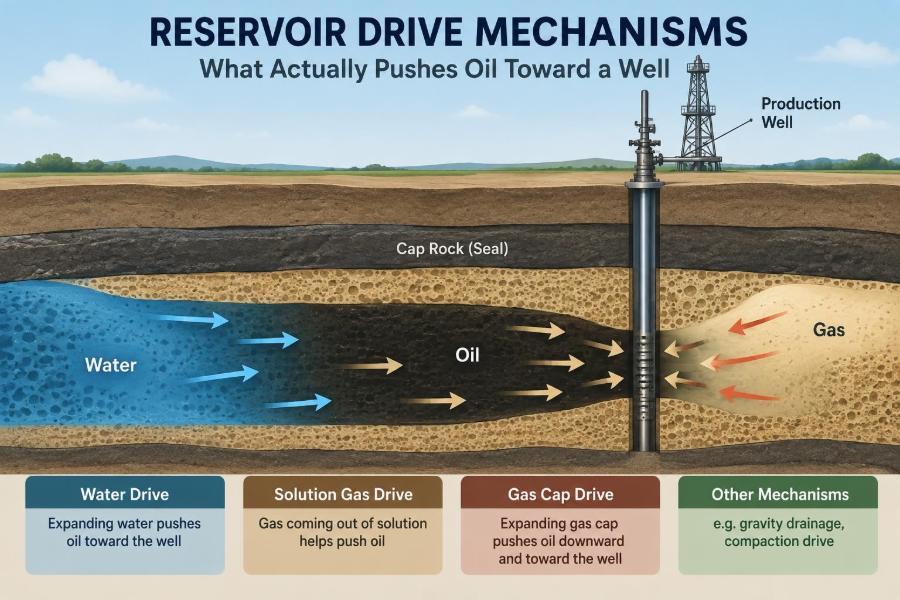
🛢️ Explaining Reservoir Drive Mechanisms: What Actually Pushes Oil Toward a Well
Posted inFeatured

🛢️ Explaining Reservoir Drive Mechanisms: What Actually Pushes Oil Toward a Well

Posted by admin November 5, 2026
Oil wells do not simply “suck” oil from rock. Explore water drive, gas expansion, gravity, compaction, and the field clues engineers use to tell them apart. 🪨💧📈
Read More
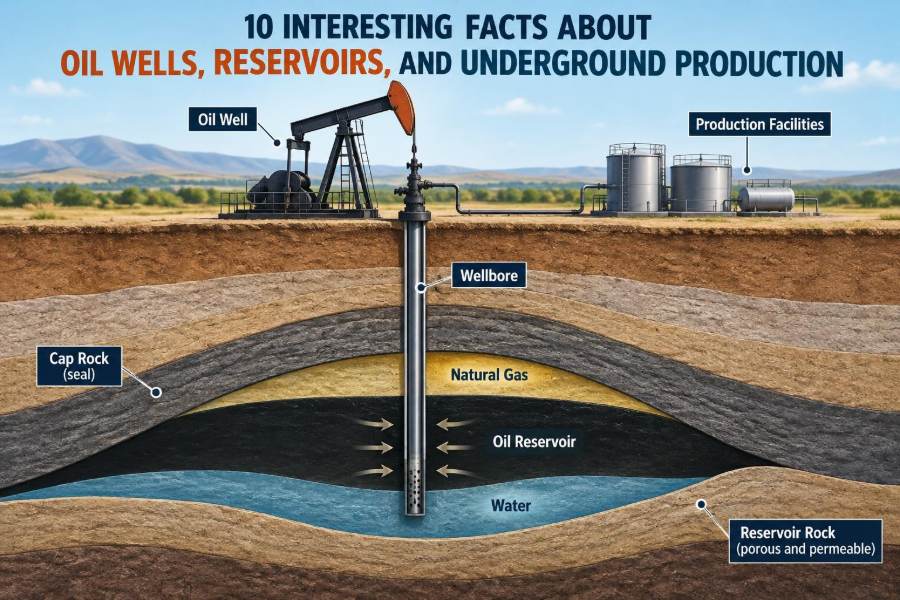
🛢️ 10 Interesting Facts About Oil Wells, Reservoirs, and Underground Production
Posted inFeatured

🛢️ 10 Interesting Facts About Oil Wells, Reservoirs, and Underground Production

Posted by admin November 5, 2026
Most oil sits inside microscopic rock pores—not giant caverns. Explore 10 field-relevant facts about pressure, water, wells, lift, and recovery. 🪨⚙️💧
Read More
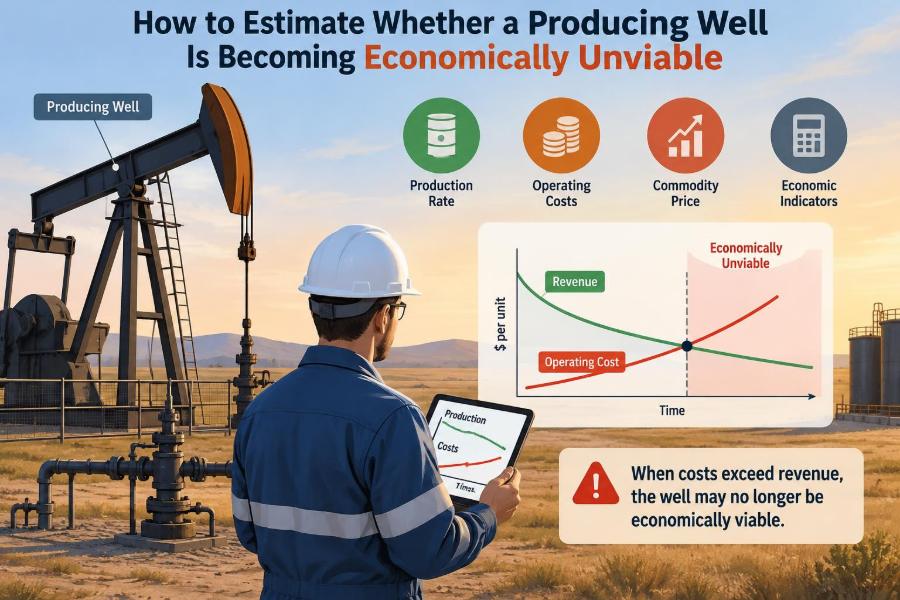
🛢️ How to Estimate Whether a Producing Well Is Becoming Economically Unviable
Posted inFeatured

🛢️ How to Estimate Whether a Producing Well Is Becoming Economically Unviable

Posted by admin November 4, 2026
A flowing well is not always an economic well. Learn how to weigh oil revenue, water costs, repairs, decline, and abandonment liability before deciding what comes next. 📊💧🔧
Read More
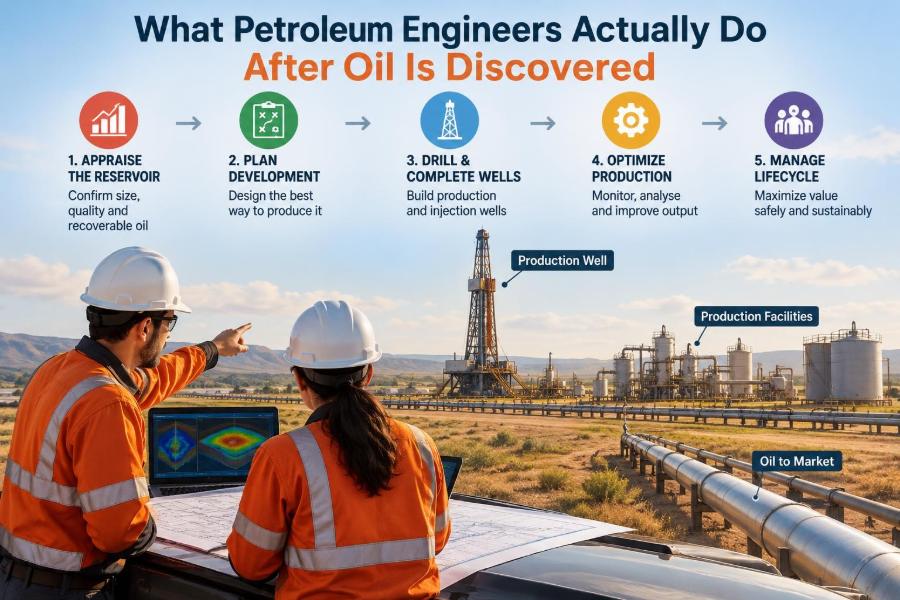
🛢️ What Petroleum Engineers Actually Do After Oil Is Discovered
Posted inFeatured

🛢️ What Petroleum Engineers Actually Do After Oil Is Discovered

Posted by admin October 31, 2026
Discovery is only the first milestone. Follow the engineering decisions behind wells, reservoirs, water, facilities, safety, and a field’s full life cycle. 📊⚙️🌍
Read More
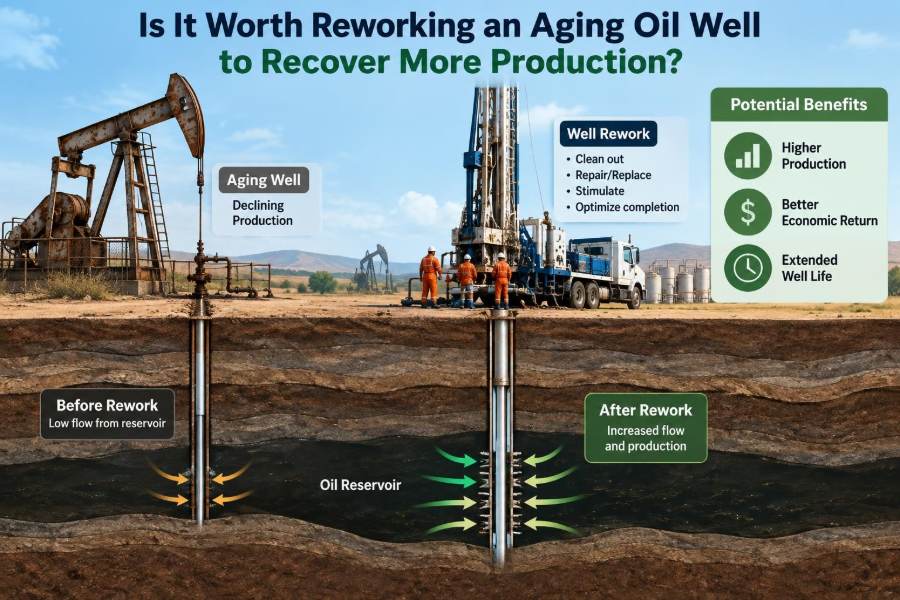
🛢️ Is It Worth Reworking an Aging Oil Well to Recover More Production?
Posted inFeatured

🛢️ Is It Worth Reworking an Aging Oil Well to Recover More Production?

Posted by admin October 30, 2026
A declining well may hold more value—or become a costly distraction. Learn how engineers diagnose the constraint, evaluate risk, and decide whether a workover makes sense. 🔧📊🛢️
Read More

Posts pagination

Previous page 1 2 3 4 … 12 Next page
Recent Posts
  • 🛢️ Why Is Bottomhole Pressure So Important for Understanding Well Performance?
  • 🛢️ How Long Can an Oil Reservoir Continue Producing Before Recovery Becomes Uneconomic?
  • 🛢️ Dealing With Sand Production: How Oil Wells Control Formation Solids Without Losing Output
  • 🛢️ How to Measure Wellhead Pressure, Flow Rate, and Production Stability
  • 🛢️ Understanding Skin Factor and How Near-Wellbore Damage Affects Production
Recent Comments
    Archives
    • November 2026
    • October 2026
    • September 2026
    • August 2026
    • March 2025
    • February 2025
    • November 2021
    • August 2021
    • July 2021
    Categories
    • Advanced Concepts
    • Basics
    • chemical engg thermodynamics
    • drilling operations
    • Featured
    • fluid mechanics
    • geophysics
    • Heat Transfer
    • Introductions
    • mass transfer
    • Natural Gas
    • petroleum equipment design
    • petroleum formation evaluation
    • petroleum geology
    • petroleum production
    • petroleum refining and petrochemicals
    • reservoir engg
    Meta
    • Register
    • Log in
    • Entries feed
    • Comments feed
    • WordPress.org
    Copyright 2026 — Petroleum Engineering. All rights reserved. Bloghash WordPress Theme
    Scroll to Top