Skip to content
  • facebook.com
  • twitter.com
  • t.me
  • instagram.com
  • youtube.com
Petroleum Engineering

Fueling Progress. Engineering Energy for the Future.

Subscribe
  • Home
  • About
  • Blog
  • Contact
  • Online Tools
  • Petroleum Engineering App
  • Home
  • oil production
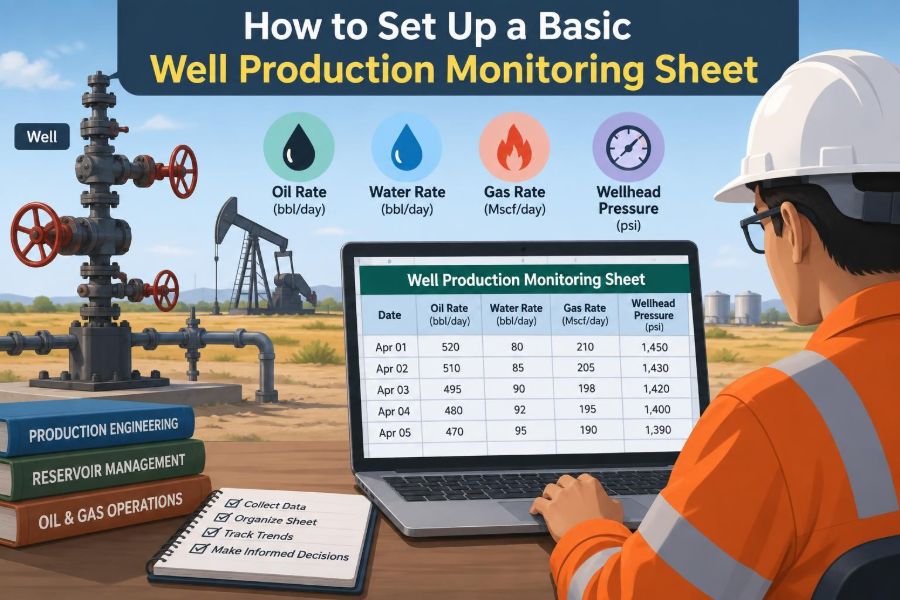
🛢️ How to Set Up a Basic Well Production Monitoring Sheet
Posted inFeatured

🛢️ How to Set Up a Basic Well Production Monitoring Sheet

Posted by admin September 30, 2026
Build a practical daily well monitoring sheet that connects oil, water, gas, uptime, pressures, lift settings, and downtime—so field data supports better decisions. 📈🔧🛢️
Read More
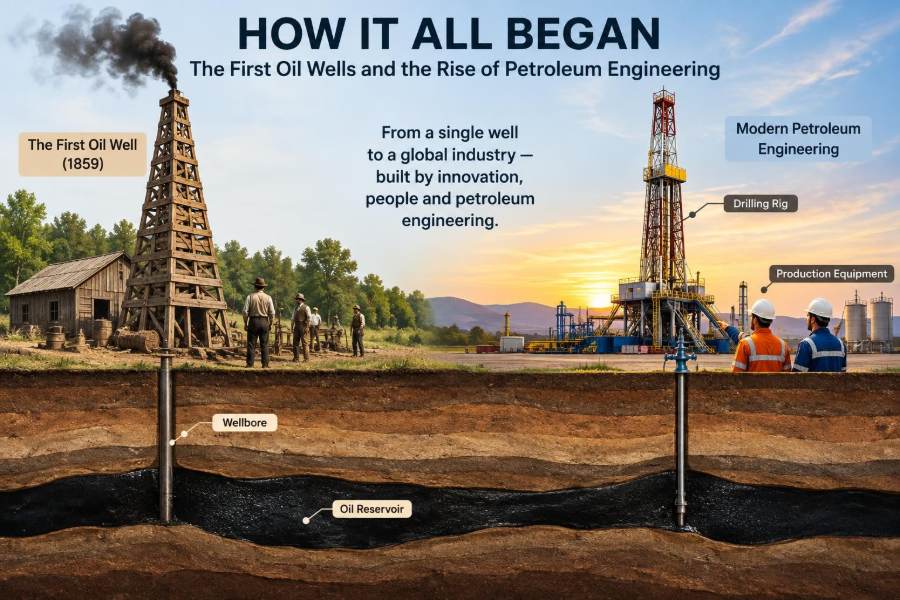
🛢️ How It All Began: The First Oil Wells and the Rise of Petroleum Engineering
Posted inFeatured

🛢️ How It All Began: The First Oil Wells and the Rise of Petroleum Engineering

Posted by admin September 27, 2026
From natural seeps and cable tools to casing, reservoirs, and modern well control—trace how early oil wells created a new engineering discipline. 🛢️🔧🌍
Read More
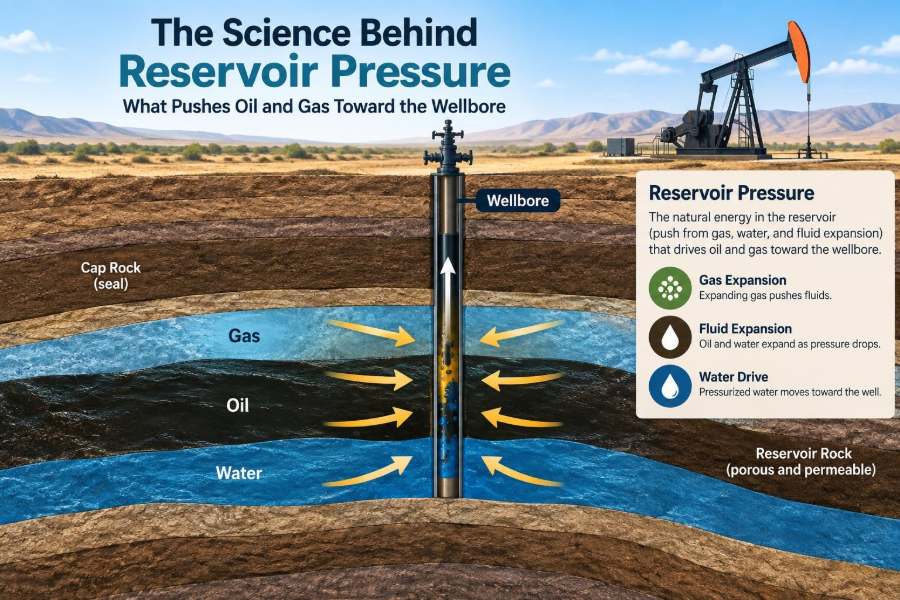
🛢️ The Science Behind Reservoir Pressure: What Pushes Oil and Gas Toward the Wellbore
Posted inFeatured

🛢️ The Science Behind Reservoir Pressure: What Pushes Oil and Gas Toward the Wellbore

Posted by admin September 26, 2026
Reservoir pressure is more than a gauge reading. See how rock, fluids, drawdown, gas, water, and well design determine whether hydrocarbons can flow. 📉🪨🔧
Read More
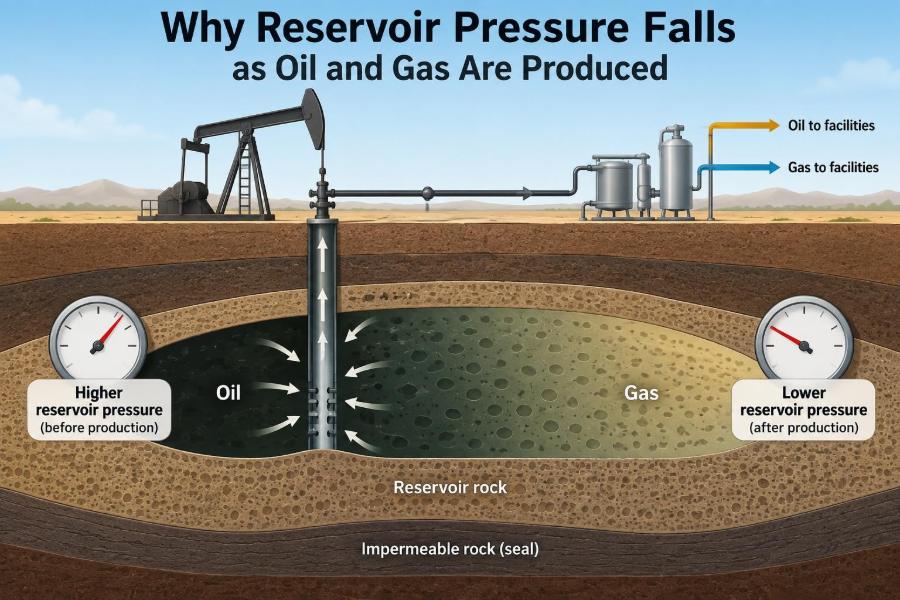
🛢️ Why Reservoir Pressure Falls as Oil and Gas Are Produced
Posted inFeatured

🛢️ Why Reservoir Pressure Falls as Oil and Gas Are Produced

Posted by admin September 24, 2026
Production removes fluids, but pressure decline is more than an empty-space problem. See how gas, water, rock, drawdown, and injection shape recovery underground. 📉💧🫧
Read More
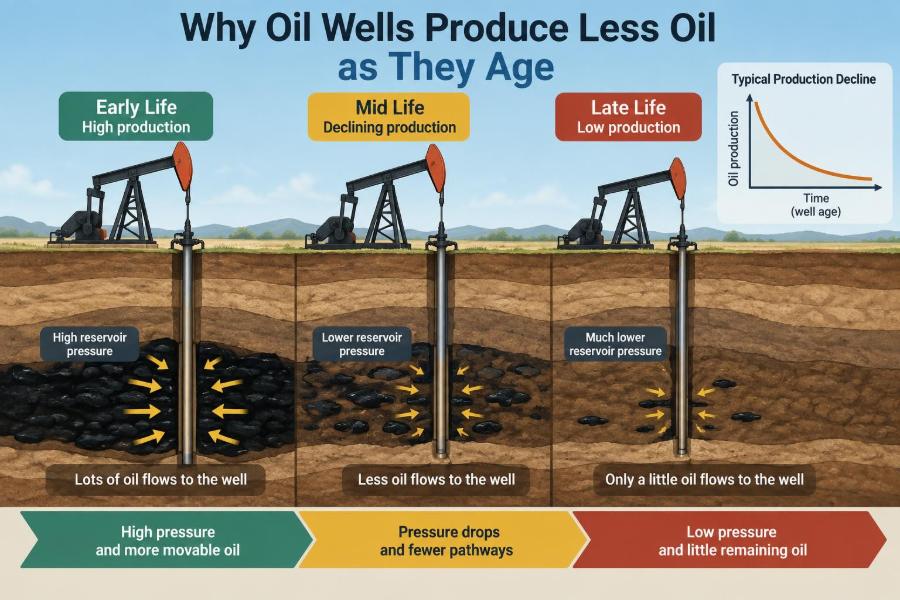
🛢️ Why Oil Wells Produce Less Oil as They Age
Posted inFeatured

🛢️ Why Oil Wells Produce Less Oil as They Age

Posted by admin September 23, 2026
An aging well is rarely just “running out.” Explore the pressure, water, gas, rock, and equipment changes that reduce oil rates—and what engineers diagnose first. 📉🔧🛢️
Read More
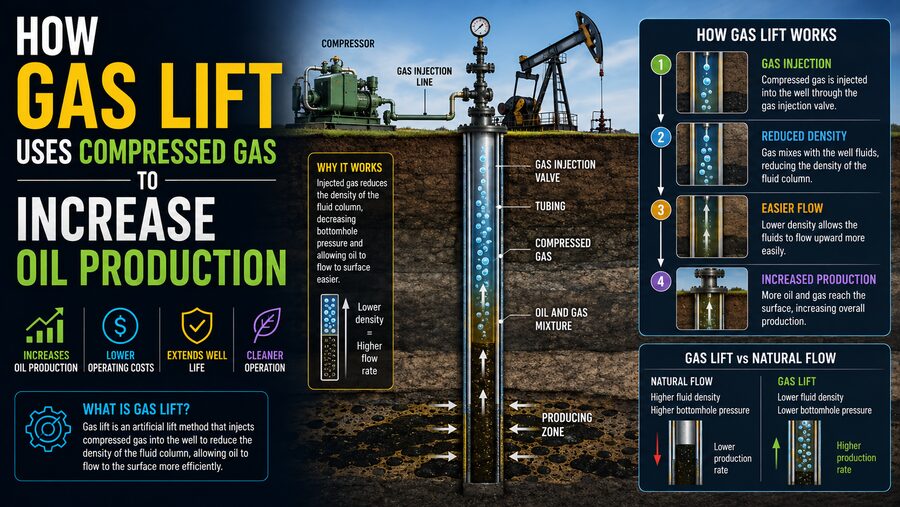
🛢️ How Gas Lift Uses Compressed Gas to Increase Oil Production
Posted inFeatured

🛢️ How Gas Lift Uses Compressed Gas to Increase Oil Production

Posted by admin August 24, 2026
Producing oil from an underground reservoir is not always as simple as drilling a well…
Read More
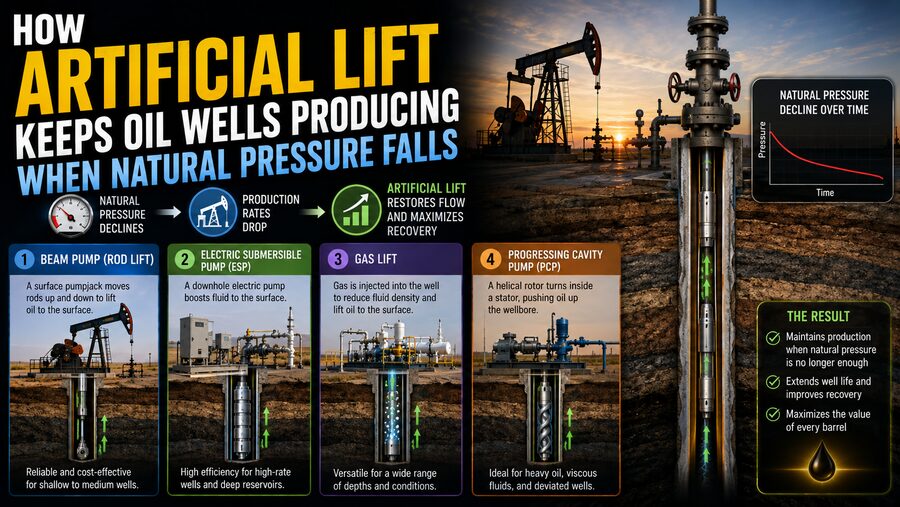
🛢️ How Artificial Lift Keeps Oil Wells Producing When Natural Pressure Falls
Posted inFeatured

🛢️ How Artificial Lift Keeps Oil Wells Producing When Natural Pressure Falls

Posted by admin August 20, 2026
When an oil well is first drilled into a productive reservoir, underground pressure may be…
Read More
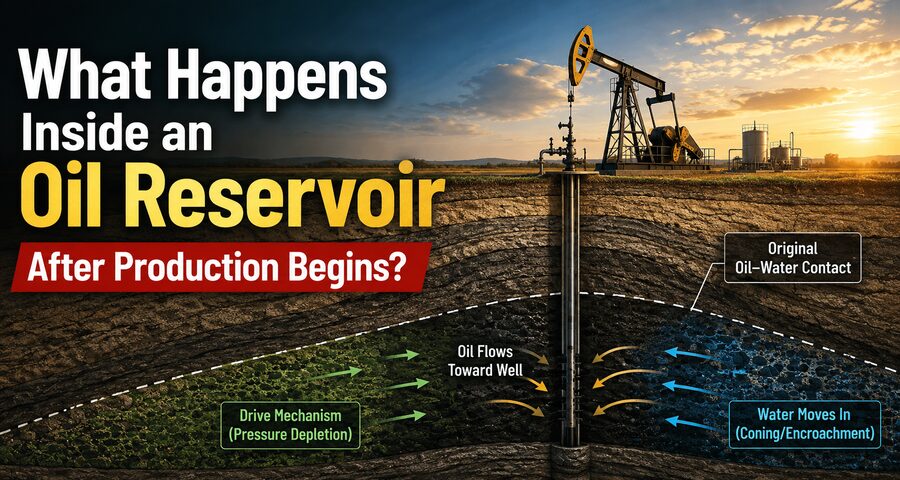
What Happens Inside an Oil Reservoir After Production Begins? 🛢️🌍⚙️
Posted inFeatured

What Happens Inside an Oil Reservoir After Production Begins? 🛢️🌍⚙️

Posted by admin August 19, 2026
An underground oil reservoir may appear simple from the surface: drill a well, open it,…
Read More
Recent Posts
  • 🛢️ Can Technology Extend the Productive Life of Aging Oil and Gas Wells?
  • 🛢️ Why Most Oil Wells Produce Less Over Time Even Without Equipment Failure
  • 🛢️ Does Increasing Pumping Rate Always Improve Oil Well Production?
  • 🛢️ From Prototype to Production: How a New Oilfield Moves from Exploration Data to Commercial Output
  • 🛢️ Why This Problem Happens: What Causes Sudden Drops in Oil Well Production?
Recent Comments
    Archives
    • October 2026
    • September 2026
    • August 2026
    • March 2025
    • February 2025
    • November 2021
    • August 2021
    • July 2021
    Categories
    • Advanced Concepts
    • Basics
    • chemical engg thermodynamics
    • drilling operations
    • Featured
    • fluid mechanics
    • geophysics
    • Heat Transfer
    • Introductions
    • mass transfer
    • Natural Gas
    • petroleum equipment design
    • petroleum formation evaluation
    • petroleum geology
    • petroleum production
    • petroleum refining and petrochemicals
    • reservoir engg
    Meta
    • Register
    • Log in
    • Entries feed
    • Comments feed
    • WordPress.org
    Copyright 2026 — Petroleum Engineering. All rights reserved. Bloghash WordPress Theme
    Scroll to Top