Skip to content
  • facebook.com
  • twitter.com
  • t.me
  • instagram.com
  • youtube.com
Petroleum Engineering

Fueling Progress. Engineering Energy for the Future.

Subscribe
  • Home
  • About
  • Blog
  • Contact
  • Online Tools
  • Petroleum Engineering App
  • Home
  • production engineering
  • Page 2
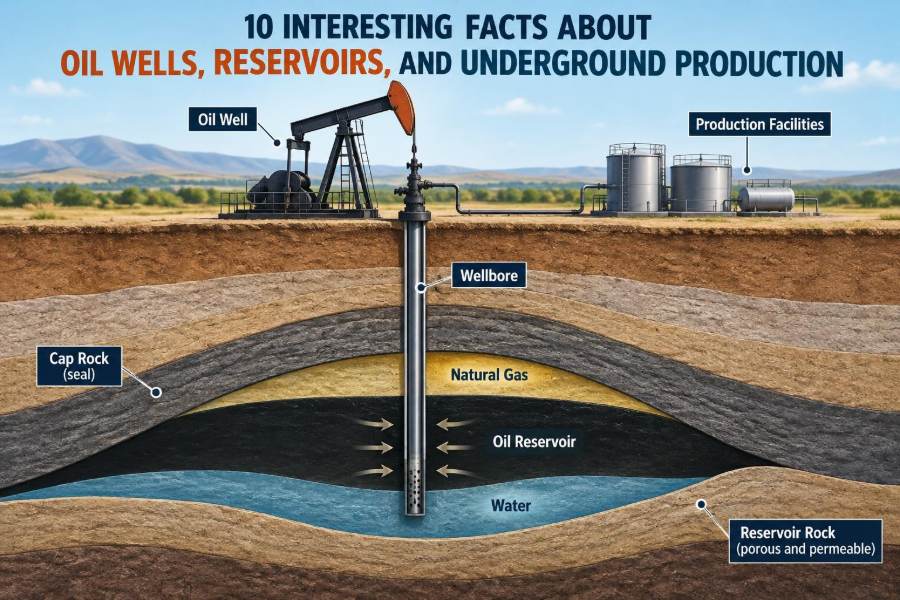
🛢️ 10 Interesting Facts About Oil Wells, Reservoirs, and Underground Production
Posted inFeatured

🛢️ 10 Interesting Facts About Oil Wells, Reservoirs, and Underground Production

Posted by admin November 5, 2026
Most oil sits inside microscopic rock pores—not giant caverns. Explore 10 field-relevant facts about pressure, water, wells, lift, and recovery. 🪨⚙️💧
Read More
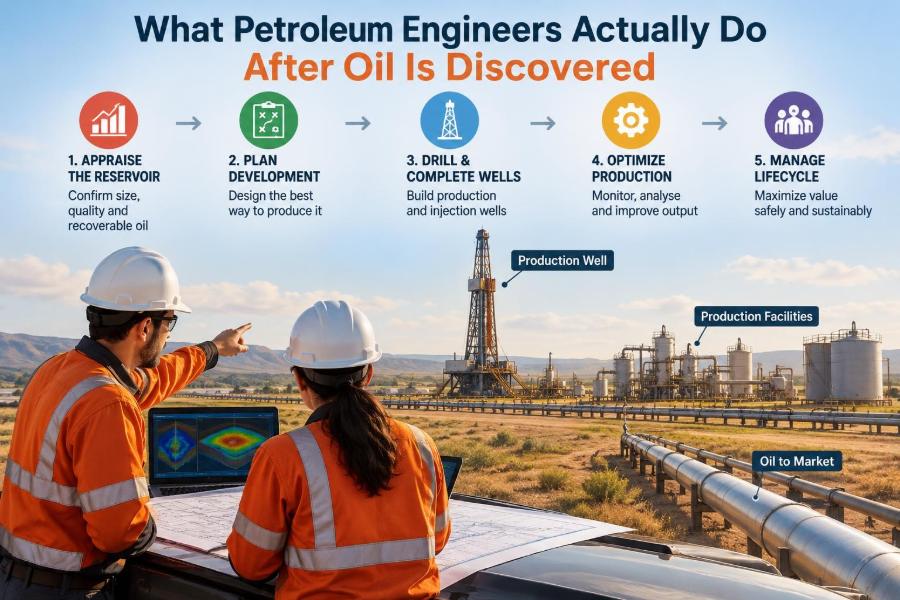
🛢️ What Petroleum Engineers Actually Do After Oil Is Discovered
Posted inFeatured

🛢️ What Petroleum Engineers Actually Do After Oil Is Discovered

Posted by admin October 31, 2026
Discovery is only the first milestone. Follow the engineering decisions behind wells, reservoirs, water, facilities, safety, and a field’s full life cycle. 📊⚙️🌍
Read More
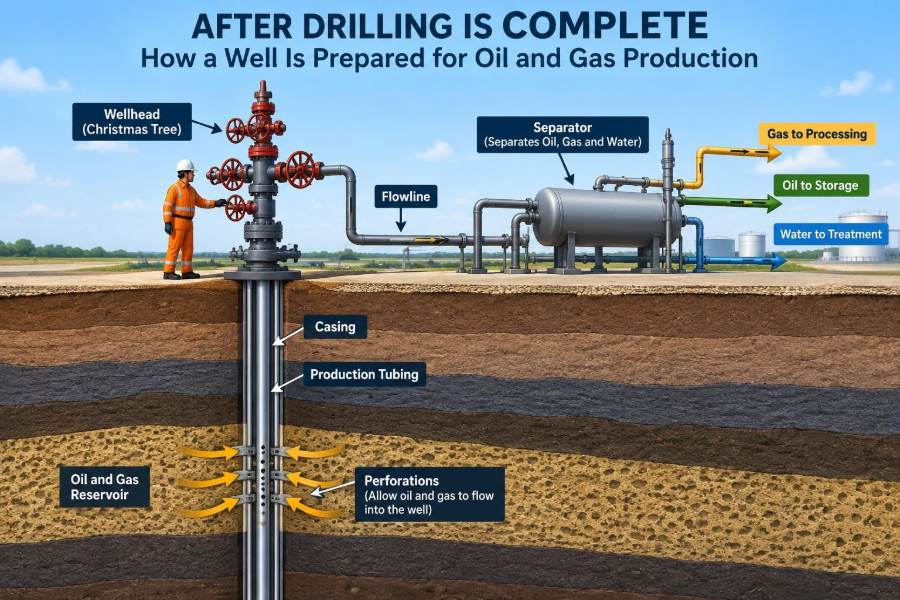
🛢️ After Drilling Is Complete: How a Well Is Prepared for Oil and Gas Production
Posted inFeatured

🛢️ After Drilling Is Complete: How a Well Is Prepared for Oil and Gas Production

Posted by admin October 30, 2026
Drilling reaches the reservoir—but completion makes production possible. Explore casing, cement, perforations, stimulation, flowback, and well integrity. ⚙️🧪🛢️
Read More
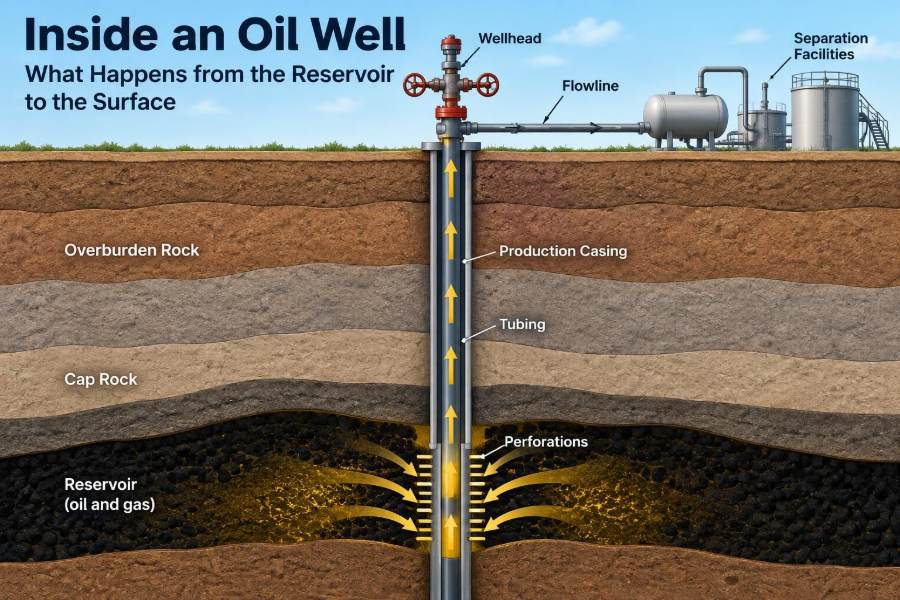
🛢️ Inside an Oil Well: What Happens from the Reservoir to the Surface
Posted inFeatured

🛢️ Inside an Oil Well: What Happens from the Reservoir to the Surface

Posted by admin October 29, 2026
Follow oil, gas, and water from microscopic reservoir pores through perforations, tubing, pumps, chokes, and separators—and see why pressure management governs every step. ⚙️🪨📈
Read More
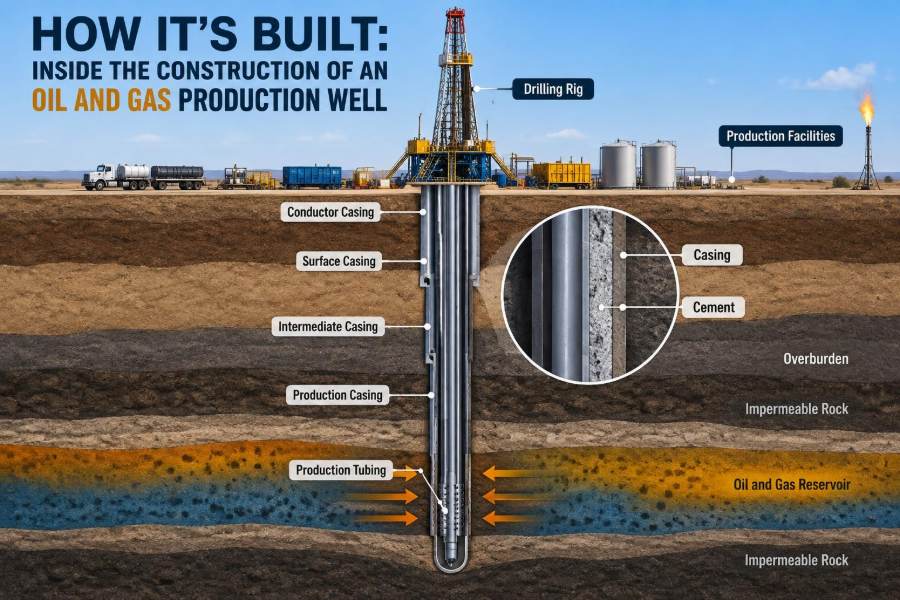
🛢️ How It’s Built: Inside the Construction of an Oil and Gas Production Well
Posted inFeatured

🛢️ How It’s Built: Inside the Construction of an Oil and Gas Production Well

Posted by admin October 28, 2026
Follow an oil and gas well from surface pad to reservoir connection—casing, cement, pressure control, completions, and the barriers that keep it manageable. 🔧🧭🛢️
Read More
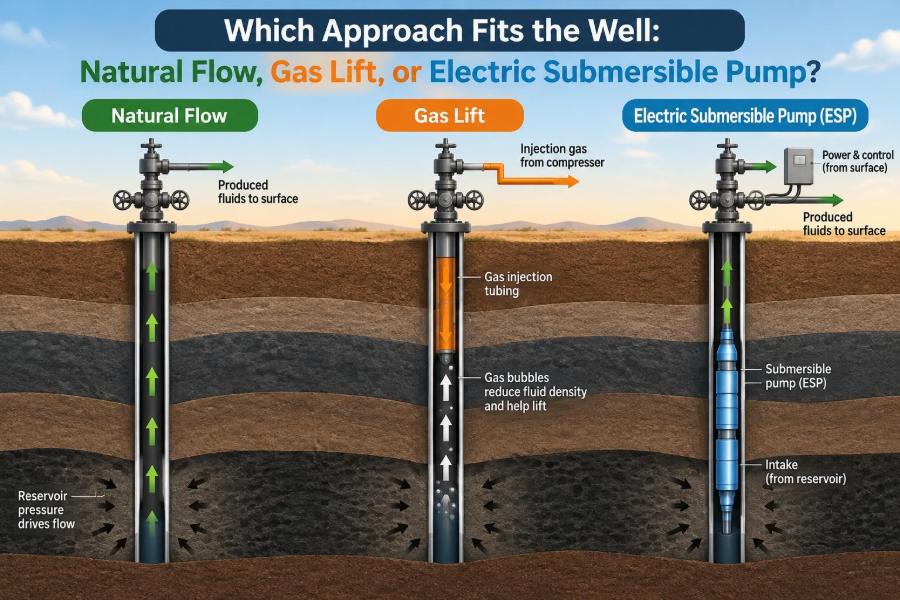
🛢️ Which Approach Fits the Well: Natural Flow, Gas Lift, or Electric Submersible Pump?
Posted inFeatured

🛢️ Which Approach Fits the Well: Natural Flow, Gas Lift, or Electric Submersible Pump?

Posted by admin October 28, 2026
Natural flow, gas lift, or an ESP? Learn what reservoir pressure, fluid behavior, facilities, and lifecycle risk reveal before choosing a lift strategy. 🛢️💨⚡
Read More
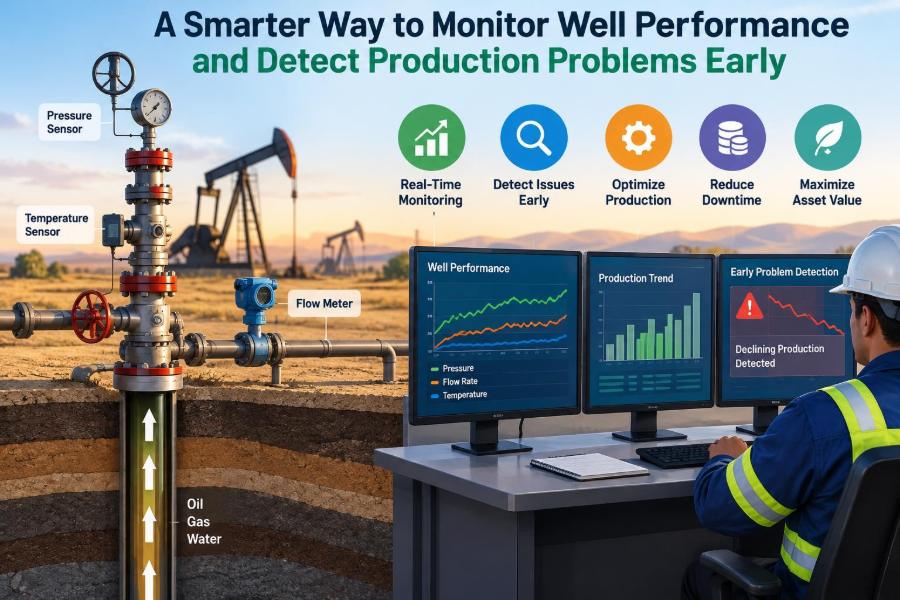
🛢️ A Smarter Way to Monitor Well Performance and Detect Production Problems Early
Posted inFeatured

🛢️ A Smarter Way to Monitor Well Performance and Detect Production Problems Early

Posted by admin October 27, 2026
Small shifts in pressure, water, gas, and lift behavior often appear before a major production loss. Learn a practical, physics-based way to spot and investigate them. 🔧🛢️📊
Read More
🛢️ How Petroleum Engineers Can Earn from Technical Analysis, Consulting, and Industry Training
Posted inFeatured

🛢️ How Petroleum Engineers Can Earn from Technical Analysis, Consulting, and Industry Training

Posted by admin October 25, 2026
Your field experience can become analysis, consulting, or training work—but only with clear scope and sound ethics. Learn practical ways to build a credible offer. 📊🎓🤝
Read More
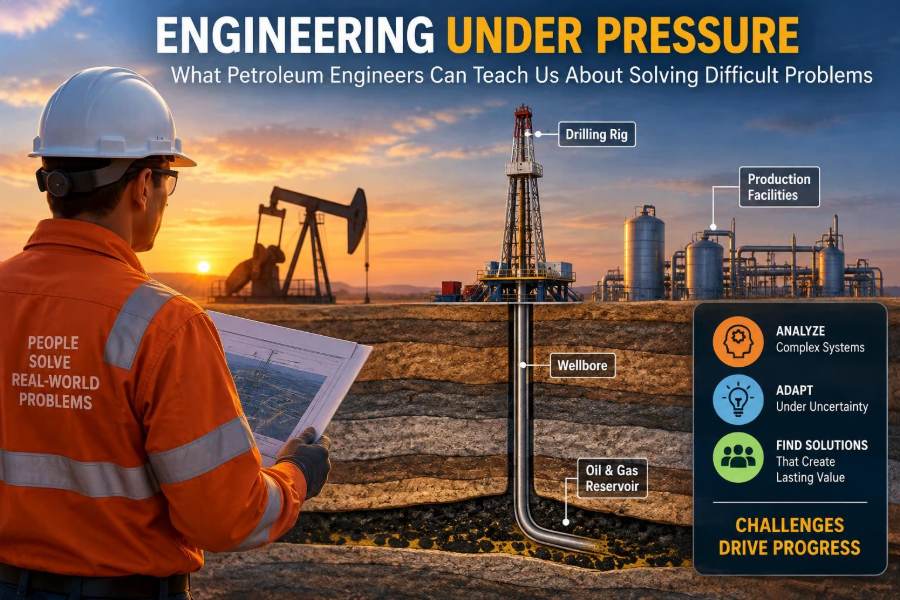
🛢️ Engineering Under Pressure: What Petroleum Engineers Can Teach Us About Solving Difficult Problems
Posted inFeatured

🛢️ Engineering Under Pressure: What Petroleum Engineers Can Teach Us About Solving Difficult Problems

Posted by admin October 24, 2026
Hidden variables, imperfect data, high stakes: learn the practical engineering habits that turn uncertainty into better decisions. 🧭📊🔧
Read More
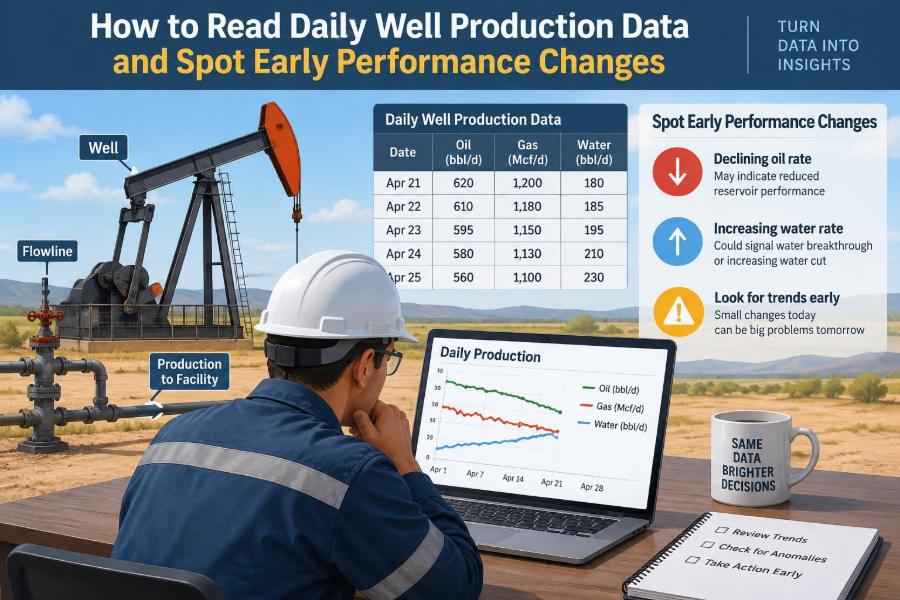
🛢️ How to Read Daily Well Production Data and Spot Early Performance Changes
Posted inFeatured

🛢️ How to Read Daily Well Production Data and Spot Early Performance Changes

Posted by admin October 23, 2026
Daily well reports hold early clues—but only if you separate real performance changes from downtime, allocation noise, and facility effects. Learn a practical review workflow 📈🔧🛢️
Read More

Posts pagination

Previous page 1 2 3 4 5 Next page
Recent Posts
  • 🛢️ Why Gas Hydrates Form Inside Oil and Gas Pipelines and How Engineers Prevent Blockages
  • 🛢️ How Drilling Mud Weight Is Chosen to Control Formation Pressure Without Damaging the Well
  • 🛢️ What Is Pressure Transient Analysis and What Can It Reveal About an Oil Reservoir?
  • 🛢️ Why Gas Breakthrough Can Suddenly Change the Performance of a Producing Well
  • 🛢️ Water Coning Explained: Why Water Can Suddenly Rise Toward an Oil-Producing Well
Recent Comments
    Archives
    • November 2026
    • October 2026
    • September 2026
    • August 2026
    • March 2025
    • February 2025
    • November 2021
    • August 2021
    • July 2021
    Categories
    • Advanced Concepts
    • Basics
    • chemical engg thermodynamics
    • drilling operations
    • Featured
    • fluid mechanics
    • geophysics
    • Heat Transfer
    • Introductions
    • mass transfer
    • Natural Gas
    • petroleum equipment design
    • petroleum formation evaluation
    • petroleum geology
    • petroleum production
    • petroleum refining and petrochemicals
    • reservoir engg
    Meta
    • Register
    • Log in
    • Entries feed
    • Comments feed
    • WordPress.org
    Copyright 2026 — Petroleum Engineering. All rights reserved. Bloghash WordPress Theme
    Scroll to Top