Skip to content
  • facebook.com
  • twitter.com
  • t.me
  • instagram.com
  • youtube.com
Petroleum Engineering

Fueling Progress. Engineering Energy for the Future.

Subscribe
  • Home
  • About
  • Blog
  • Contact
  • Online Tools
  • Petroleum Engineering App
  • Home
  • production engineering
  • Page 3
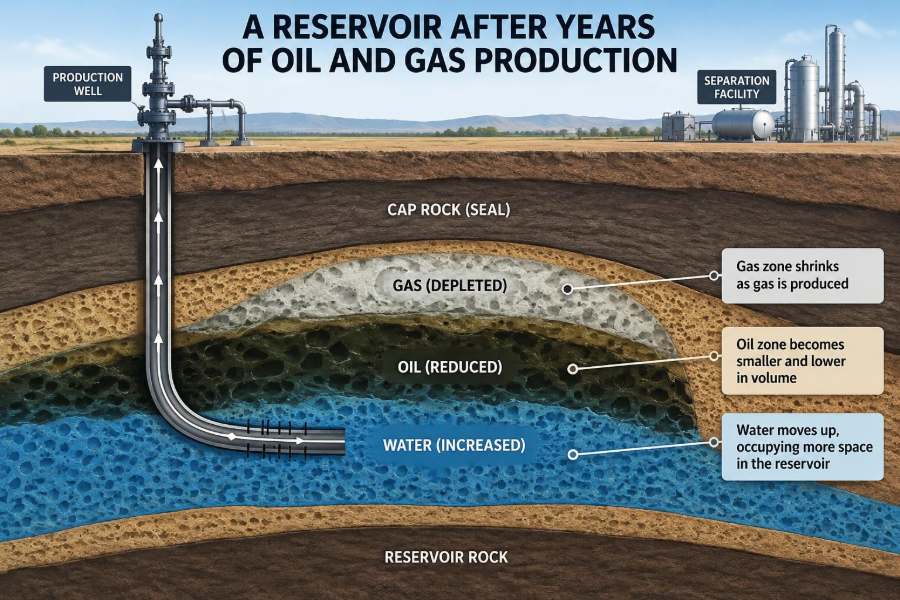
πŸ›’οΈ What Happens Inside a Reservoir After Years of Oil and Gas Production
Posted inFeatured

πŸ›’οΈ What Happens Inside a Reservoir After Years of Oil and Gas Production

Posted by admin October 22, 2026
Oil and gas production reshapes pressure, fluid flow, and even the rock itself. See why water, gas, injection, and geology redefine mature fields. πŸͺ¨πŸ’§πŸ“Š
Read More
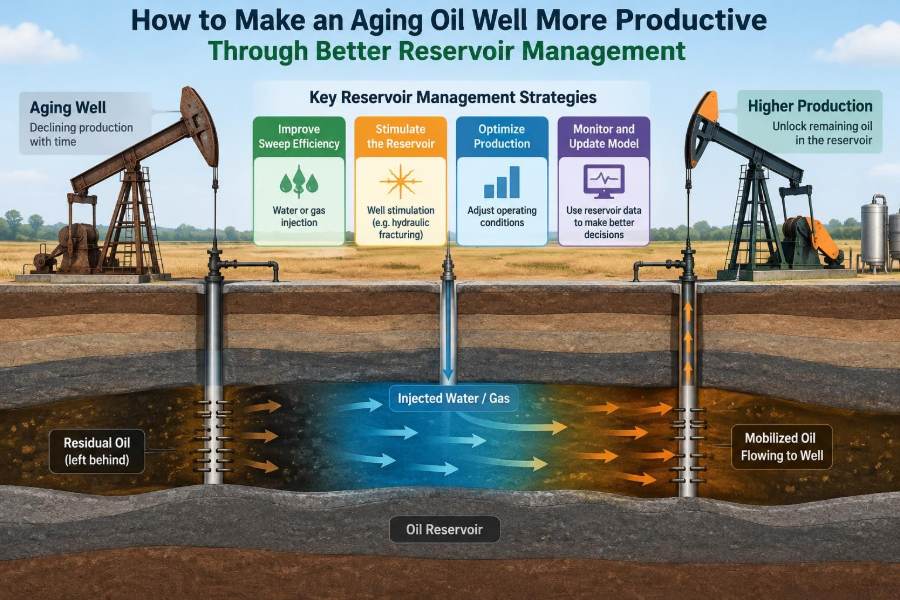
πŸ›’οΈ How to Make an Aging Oil Well More Productive Through Better Reservoir Management
Posted inFeatured

πŸ›’οΈ How to Make an Aging Oil Well More Productive Through Better Reservoir Management

Posted by admin October 19, 2026
Declining output is not always inevitable. Learn how pressure, water control, artificial lift, surveillance, and smarter interventions can unlock value in mature wells. πŸ“ˆπŸ’§βš™οΈ
Read More
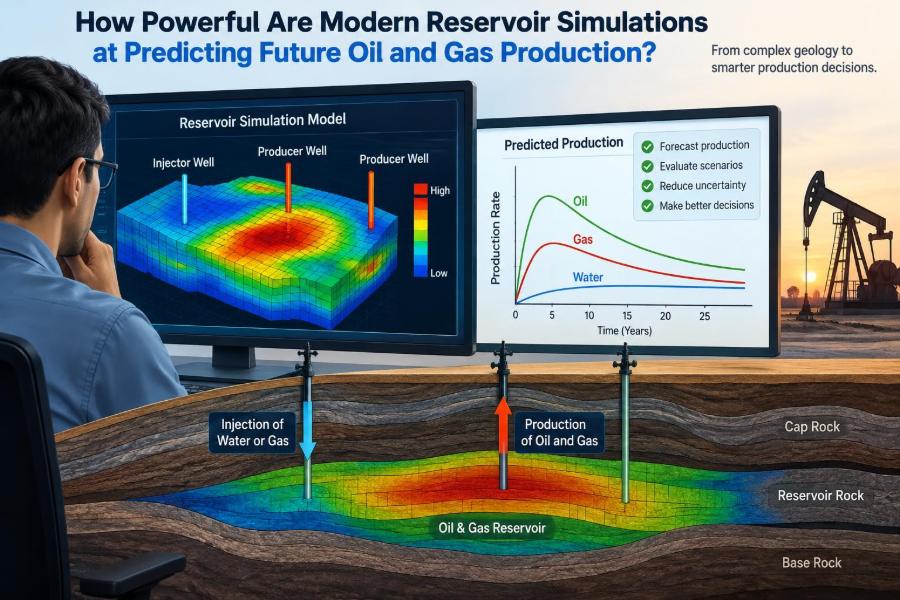
πŸ›’οΈ How Powerful Are Modern Reservoir Simulations at Predicting Future Oil and Gas Production?
Posted inFeatured

πŸ›’οΈ How Powerful Are Modern Reservoir Simulations at Predicting Future Oil and Gas Production?

Posted by admin October 16, 2026
Reservoir simulation can test decades of production before a well is drilledβ€”but only when its uncertainties are understood. Learn what forecasts can, and cannot, tell you. πŸ“ŠπŸ§­πŸ›’οΈ
Read More
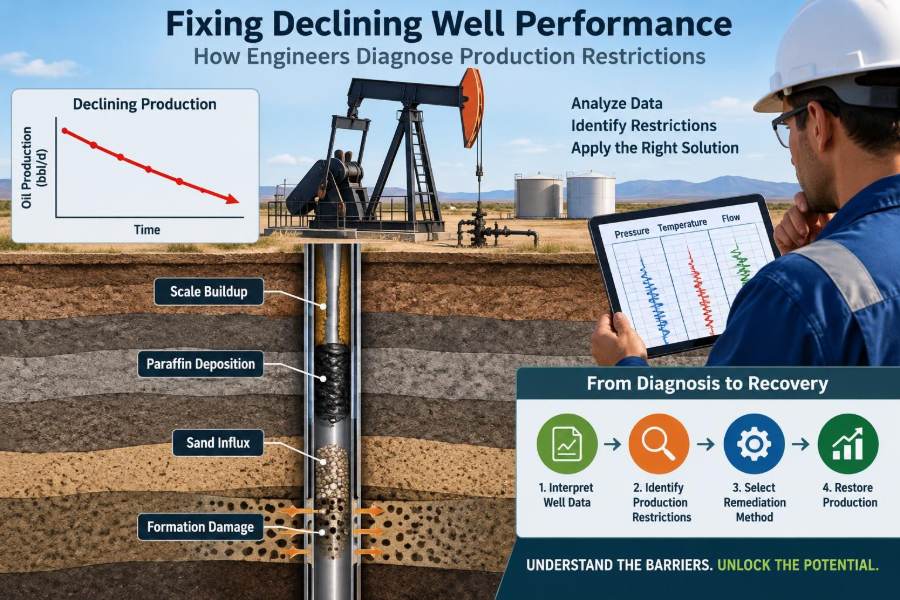
πŸ›’οΈ Fixing Declining Well Performance: How Engineers Diagnose Production Restrictions
Posted inFeatured

πŸ›’οΈ Fixing Declining Well Performance: How Engineers Diagnose Production Restrictions

Posted by admin October 15, 2026
A falling production rate is not always reservoir depletion. Learn how engineers trace pressure losses through the reservoir, wellbore, lift system, and facilities before choosing a fix. πŸ”§πŸ“‰πŸ›’οΈ
Read More
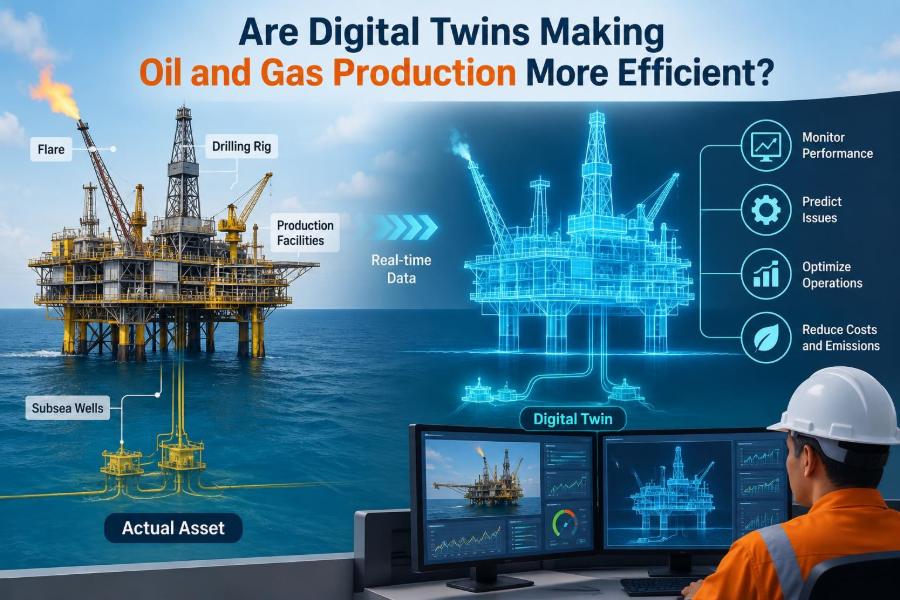
πŸ›’οΈ Are Digital Twins Making Oil and Gas Production More Efficient?
Posted inFeatured

πŸ›’οΈ Are Digital Twins Making Oil and Gas Production More Efficient?

Posted by admin October 11, 2026
See how digital twins connect wells, pipelines, facilities, and real-time dataβ€”and where they can mislead without sound engineering and validation. πŸ“Šβš™οΈπŸ›’οΈ
Read More
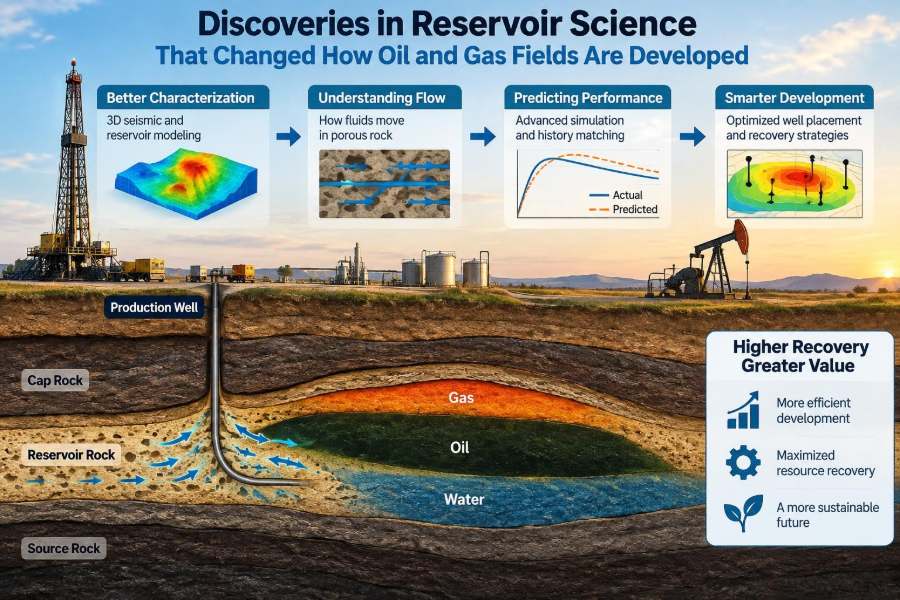
πŸ›’οΈ Discoveries in Reservoir Science That Changed How Oil and Gas Fields Are Developed
Posted inFeatured

πŸ›’οΈ Discoveries in Reservoir Science That Changed How Oil and Gas Fields Are Developed

Posted by admin October 11, 2026
From Darcy’s law to reservoir simulation, explore the discoveries that taught engineers to read rock, fluids, pressure, and flow before committing to a field plan. πŸͺ¨πŸ“‰πŸ§­
Read More
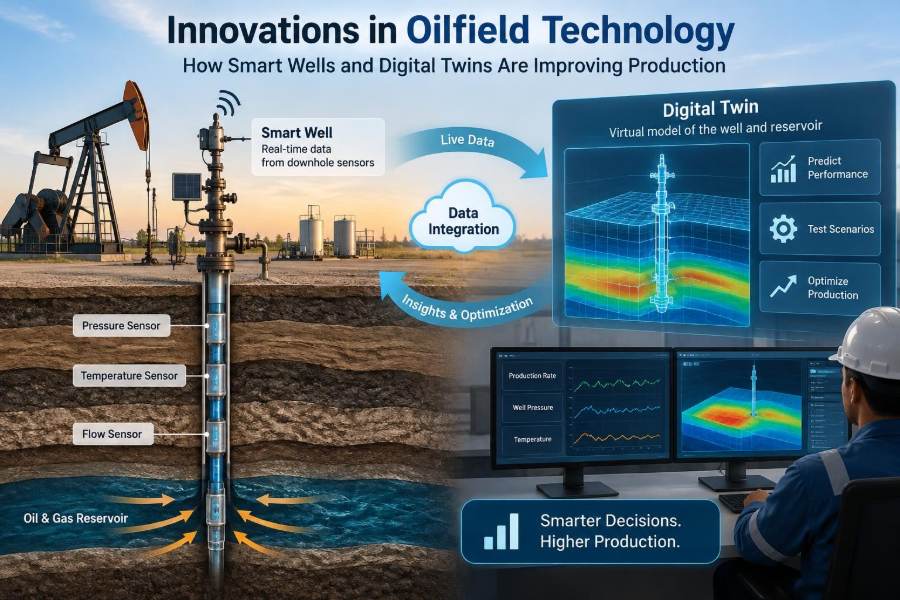
πŸ›’οΈ Innovations in Oilfield Technology: How Smart Wells and Digital Twins Are Improving Production
Posted inFeatured

πŸ›’οΈ Innovations in Oilfield Technology: How Smart Wells and Digital Twins Are Improving Production

Posted by admin October 10, 2026
See how downhole controls, live data, and digital twins help engineers manage water, optimize flow, and test production choices before acting. πŸ”§πŸ§ πŸŒŠ
Read More
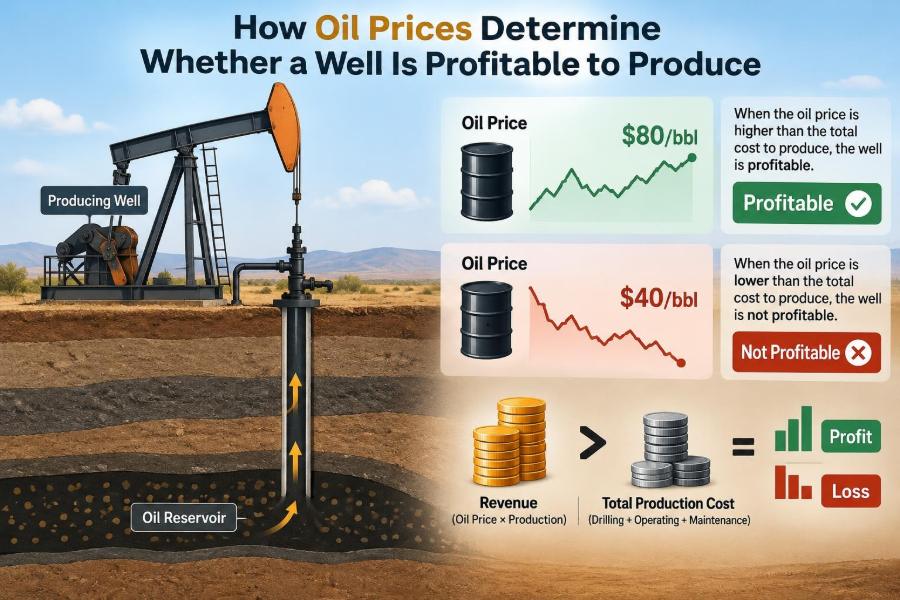
πŸ›’οΈ How Oil Prices Determine Whether a Well Is Profitable to Produce
Posted inFeatured

πŸ›’οΈ How Oil Prices Determine Whether a Well Is Profitable to Produce

Posted by admin October 10, 2026
A headline oil price is only the beginning. See how differentials, water disposal, artificial lift, royalties, and decline rates decide whether a well truly pays. πŸ“‰βš™οΈπŸ’§
Read More
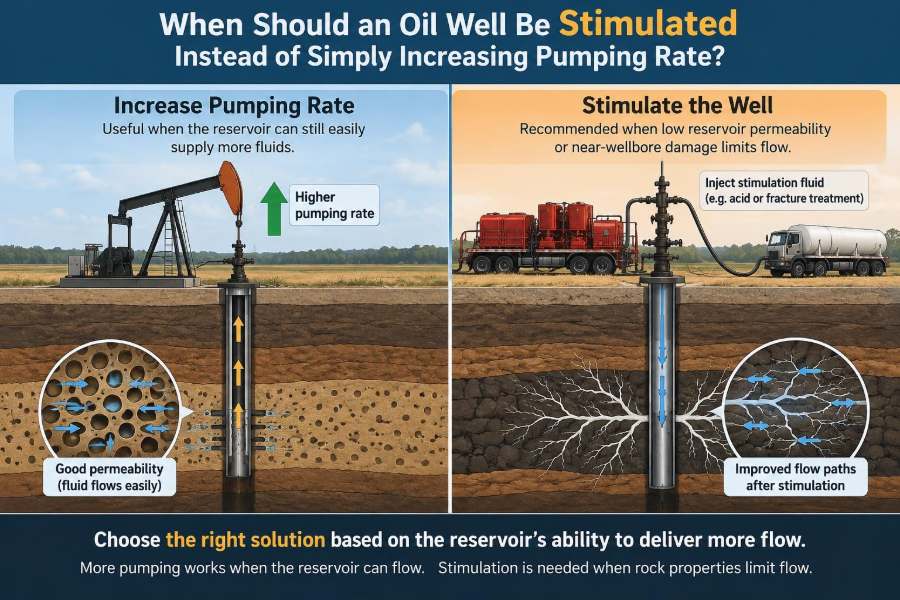
πŸ›’οΈ When Should an Oil Well Be Stimulated Instead of Simply Increasing Pumping Rate?
Posted inFeatured

πŸ›’οΈ When Should an Oil Well Be Stimulated Instead of Simply Increasing Pumping Rate?

Posted by admin October 9, 2026
A declining oil rate does not automatically mean the pump needs more speed. Learn how to identify inflow limits, formation damage, lift constraints, and treatment risks. πŸ“‰πŸ”§πŸ›’οΈ
Read More
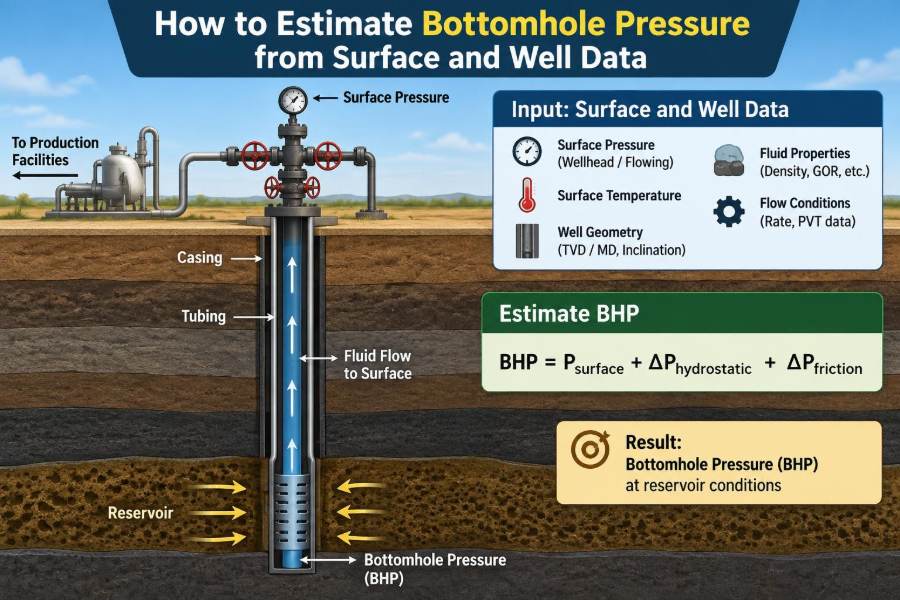
πŸ›’οΈ How to Estimate Bottomhole Pressure from Surface and Well Data
Posted inFeatured

πŸ›’οΈ How to Estimate Bottomhole Pressure from Surface and Well Data

Posted by admin October 7, 2026
Turn tubing-head pressure, depth, fluid properties, and flow rates into a defensible BHP estimate. Learn when hydrostatics workβ€”and when multiphase flow changes everything. πŸ“πŸ›’οΈπŸ“ˆ
Read More

Posts pagination

Previous page 1 2 3 4 5 Next page
Recent Posts
  • πŸ›’οΈ Why Gas Hydrates Form Inside Oil and Gas Pipelines and How Engineers Prevent Blockages
  • πŸ›’οΈ How Drilling Mud Weight Is Chosen to Control Formation Pressure Without Damaging the Well
  • πŸ›’οΈ What Is Pressure Transient Analysis and What Can It Reveal About an Oil Reservoir?
  • πŸ›’οΈ Why Gas Breakthrough Can Suddenly Change the Performance of a Producing Well
  • πŸ›’οΈ Water Coning Explained: Why Water Can Suddenly Rise Toward an Oil-Producing Well
Recent Comments
    Archives
    • November 2026
    • October 2026
    • September 2026
    • August 2026
    • March 2025
    • February 2025
    • November 2021
    • August 2021
    • July 2021
    Categories
    • Advanced Concepts
    • Basics
    • chemical engg thermodynamics
    • drilling operations
    • Featured
    • fluid mechanics
    • geophysics
    • Heat Transfer
    • Introductions
    • mass transfer
    • Natural Gas
    • petroleum equipment design
    • petroleum formation evaluation
    • petroleum geology
    • petroleum production
    • petroleum refining and petrochemicals
    • reservoir engg
    Meta
    • Register
    • Log in
    • Entries feed
    • Comments feed
    • WordPress.org
    Copyright 2026 — Petroleum Engineering. All rights reserved. Bloghash WordPress Theme
    Scroll to Top