Skip to content
  • facebook.com
  • twitter.com
  • t.me
  • instagram.com
  • youtube.com
Petroleum Engineering

Fueling Progress. Engineering Energy for the Future.

Subscribe
  • Home
  • About
  • Blog
  • Contact
  • Online Tools
  • Petroleum Engineering App
  • Home
  • Reservoir Engineering
  • Page 2
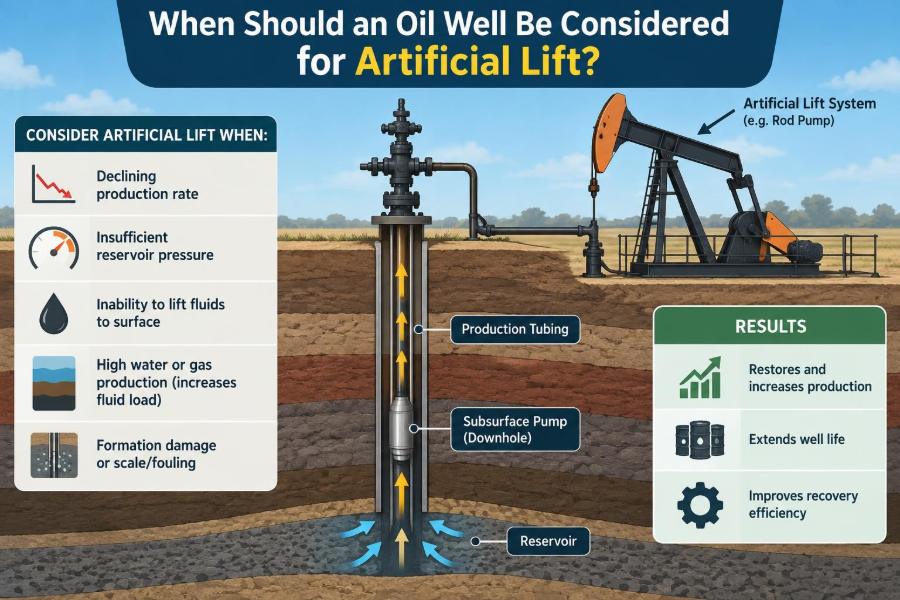
πŸ›’οΈ When Should an Oil Well Be Considered for Artificial Lift?
Posted inFeatured

πŸ›’οΈ When Should an Oil Well Be Considered for Artificial Lift?

Posted by admin September 25, 2026
Low rates do not automatically mean a pump is the answer. Learn the pressure, fluid, integrity, and economics checks that guide a sound artificial-lift decision. πŸ“‰πŸ”§πŸ“Š
Read More
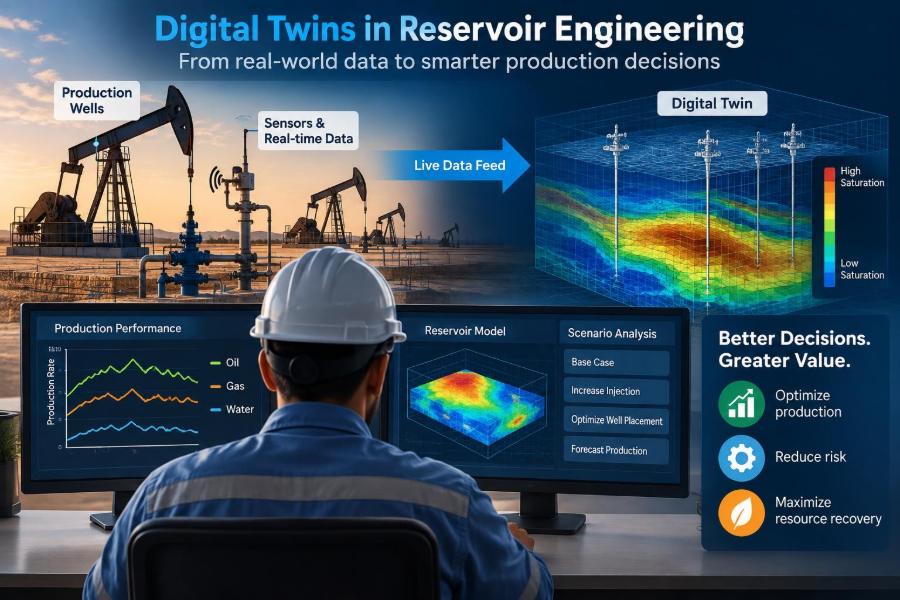
πŸ›’οΈ Breakthrough in Reservoir Engineering: How Digital Twins Are Improving Production Decisions
Posted inFeatured

πŸ›’οΈ Breakthrough in Reservoir Engineering: How Digital Twins Are Improving Production Decisions

Posted by admin September 25, 2026
See how reservoir digital twins connect field data, physics, wells, and facilities to test production choices before they reach the field. πŸ“Šβš™οΈπŸ’§
Read More
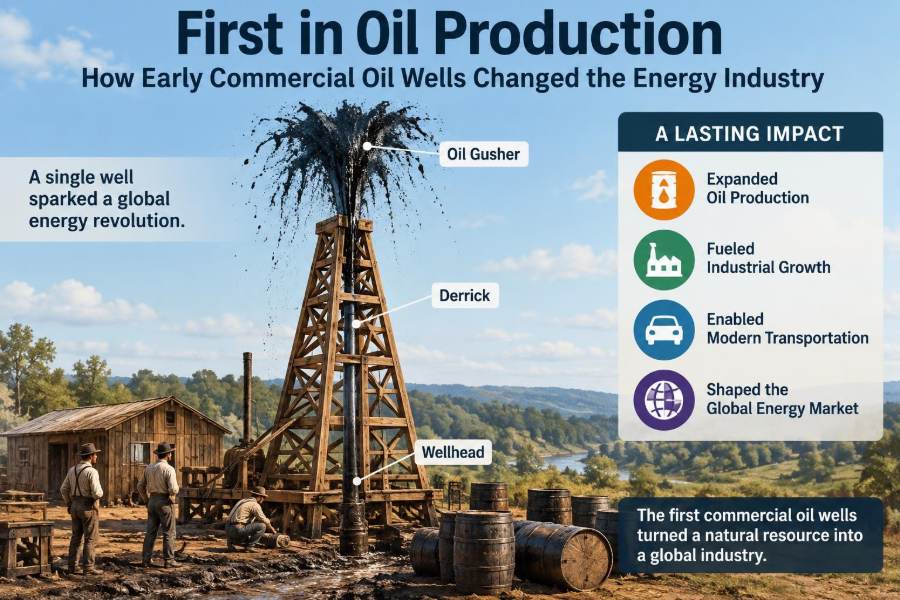
πŸ›’οΈ First in Oil Production: How Early Commercial Oil Wells Changed the Energy Industry
Posted inFeatured

πŸ›’οΈ First in Oil Production: How Early Commercial Oil Wells Changed the Energy Industry

Posted by admin September 24, 2026
The first commercial wells were more than historic drill sites. See how drilling, refining, transport, and markets built the modern oil industryβ€”and what engineers can learn today. πŸ”§πŸŒπŸ›’οΈ
Read More
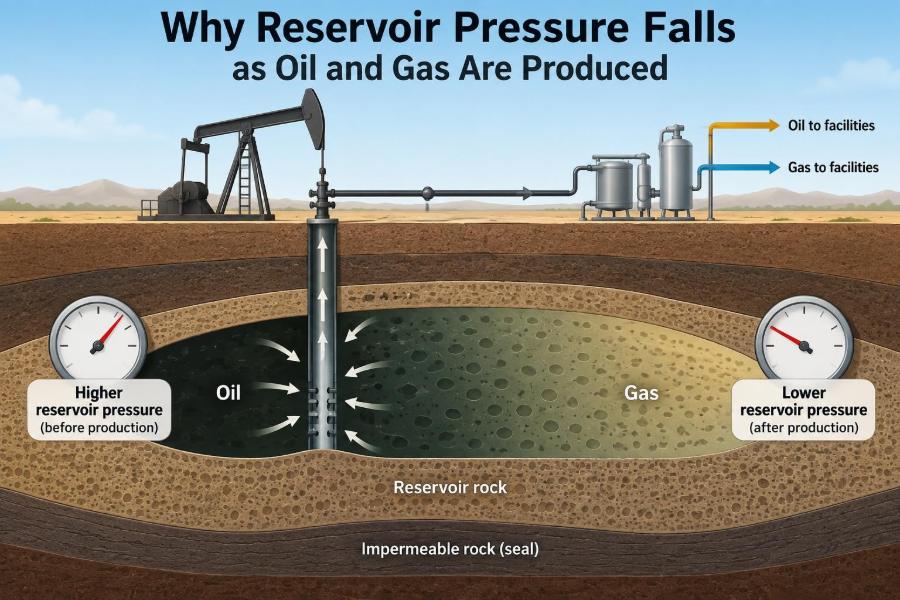
πŸ›’οΈ Why Reservoir Pressure Falls as Oil and Gas Are Produced
Posted inFeatured

πŸ›’οΈ Why Reservoir Pressure Falls as Oil and Gas Are Produced

Posted by admin September 24, 2026
Production removes fluids, but pressure decline is more than an empty-space problem. See how gas, water, rock, drawdown, and injection shape recovery underground. πŸ“‰πŸ’§πŸ«§
Read More
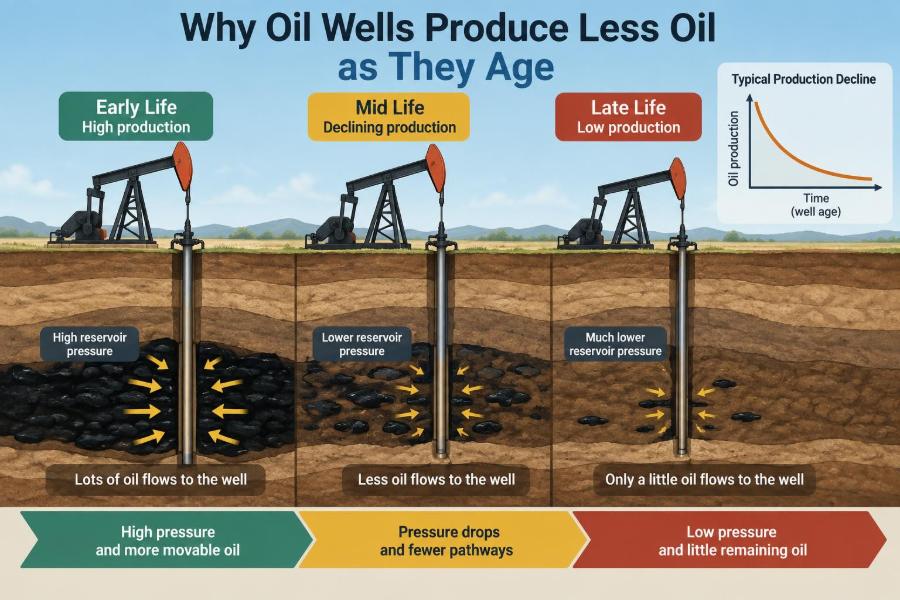
πŸ›’οΈ Why Oil Wells Produce Less Oil as They Age
Posted inFeatured

πŸ›’οΈ Why Oil Wells Produce Less Oil as They Age

Posted by admin September 23, 2026
An aging well is rarely just β€œrunning out.” Explore the pressure, water, gas, rock, and equipment changes that reduce oil ratesβ€”and what engineers diagnose first. πŸ“‰πŸ”§πŸ›’οΈ
Read More
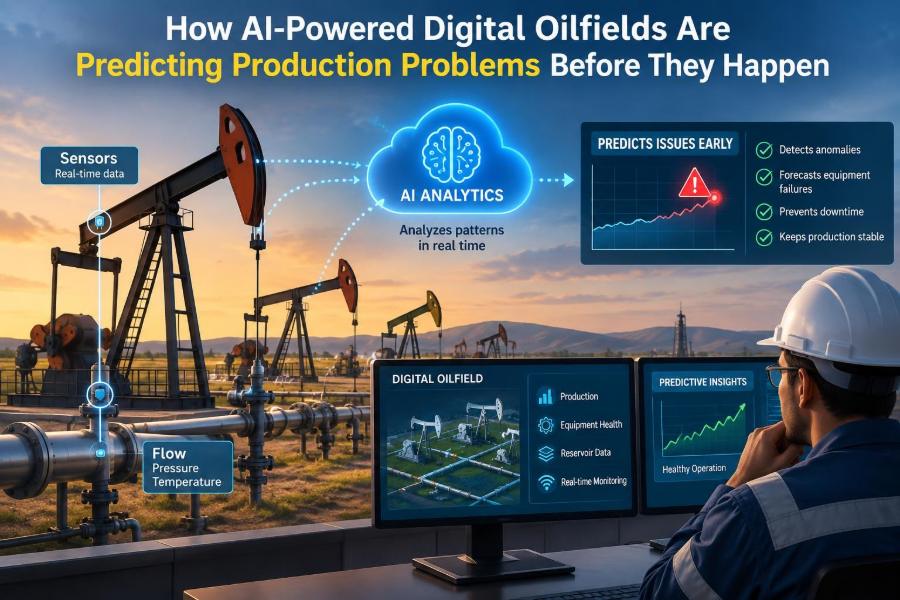
πŸ›’οΈ How AI-Powered Digital Oilfields Are Predicting Production Problems Before They Happen
Posted inFeatured

πŸ›’οΈ How AI-Powered Digital Oilfields Are Predicting Production Problems Before They Happen

Posted by admin September 23, 2026
See how digital oilfields connect well, facility, and maintenance data to catch weak warning signals earlyβ€”without treating AI as a crystal ball. βš™οΈπŸ”πŸ§ 
Read More
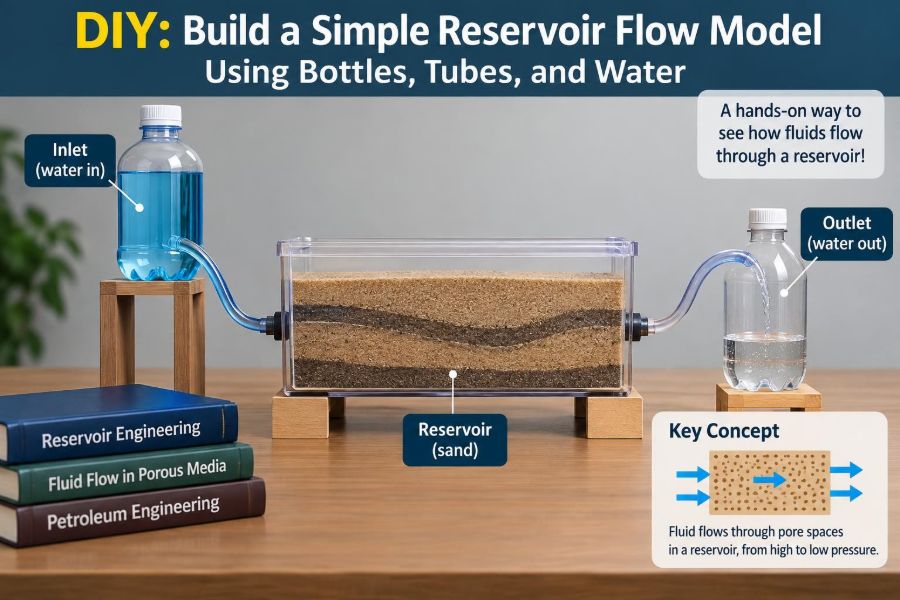
πŸ›’οΈ DIY: Build a Simple Reservoir Flow Model Using Bottles, Tubes, and Water
Posted inFeatured

πŸ›’οΈ DIY: Build a Simple Reservoir Flow Model Using Bottles, Tubes, and Water

Posted by admin September 22, 2026
Build a safe bottle-and-tube model to see pressure drawdown, flow resistance, permeability analogies, and water support in action. Turn simple observations into engineering insight. πŸ“ˆπŸ§ͺπŸ”
Read More
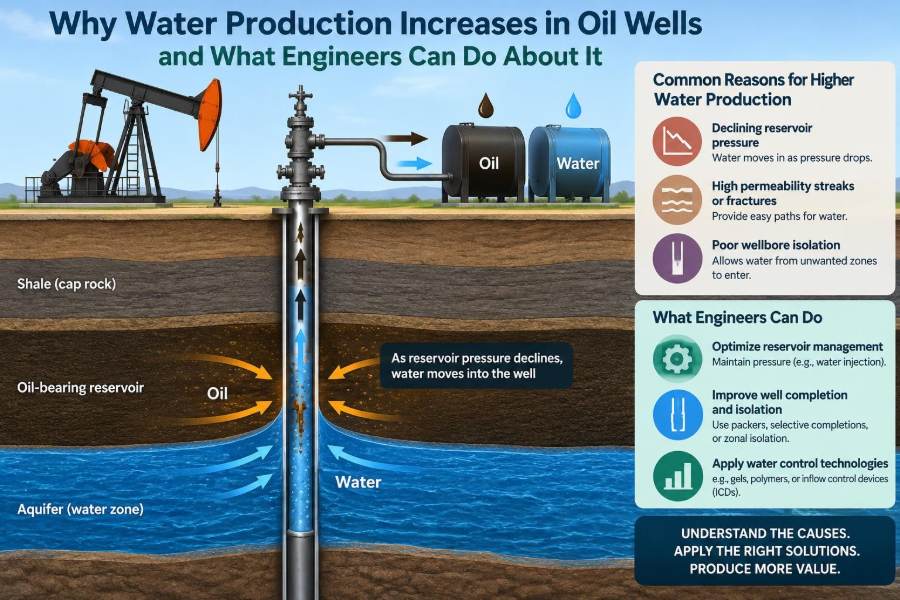
πŸ’§ Why Water Production Increases in Oil Wells and What Engineers Can Do About It
Posted inFeatured

πŸ’§ Why Water Production Increases in Oil Wells and What Engineers Can Do About It

Posted by admin September 21, 2026
A rising water cut can signal aquifer advance, injection breakthrough, coning, or a well-integrity problem. Learn how engineers diagnose the source before choosing a fix. πŸ’§πŸ”§πŸ“Š
Read More
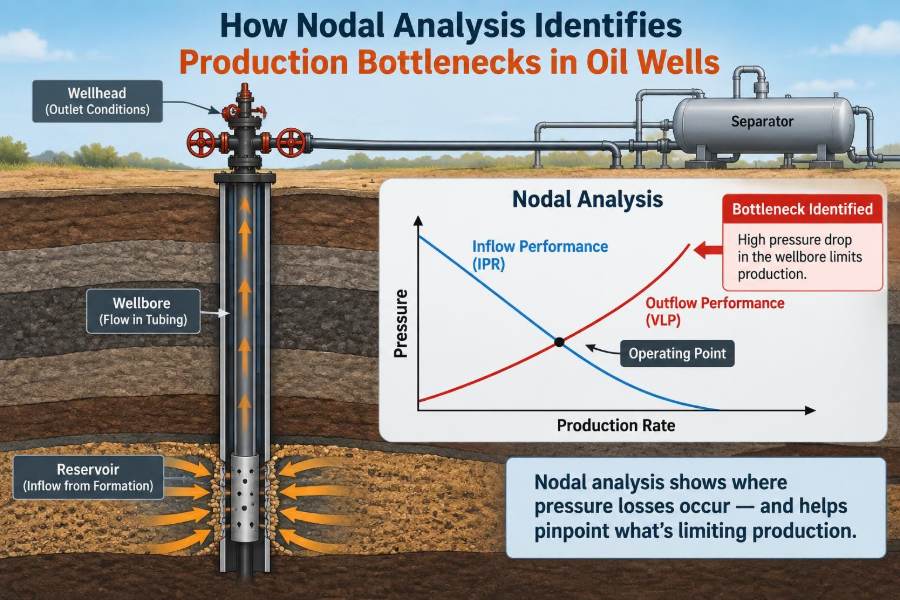
πŸ“ˆ How Nodal Analysis Identifies Production Bottlenecks in Oil Wells
Posted inFeatured

πŸ“ˆ How Nodal Analysis Identifies Production Bottlenecks in Oil Wells

Posted by admin September 16, 2026
Low production is not always a reservoir problem. Learn how nodal analysis maps pressure losses from sandface to separator and reveals the bottleneck worth fixing. πŸ”Žβš™οΈπŸ“‰
Read More
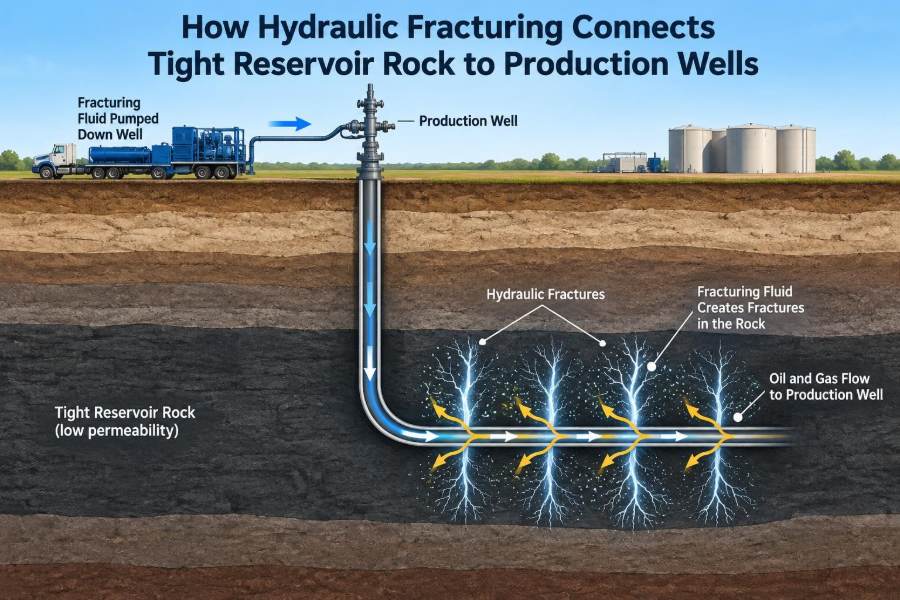
πŸ”§ How Hydraulic Fracturing Connects Tight Reservoir Rock to Production Wells
Posted inFeatured

πŸ”§ How Hydraulic Fracturing Connects Tight Reservoir Rock to Production Wells

Posted by admin September 15, 2026
See how horizontal wells, perforations, high-pressure fluid, and proppant create durable flow paths through tight reservoir rockβ€”plus what controls real production. πŸͺ¨πŸ“ˆπŸ’§
Read More

Posts pagination

Previous page 1 2 3 Next page
Recent Posts
  • πŸ›’οΈ Can Technology Extend the Productive Life of Aging Oil and Gas Wells?
  • πŸ›’οΈ Why Most Oil Wells Produce Less Over Time Even Without Equipment Failure
  • πŸ›’οΈ Does Increasing Pumping Rate Always Improve Oil Well Production?
  • πŸ›’οΈ From Prototype to Production: How a New Oilfield Moves from Exploration Data to Commercial Output
  • πŸ›’οΈ Why This Problem Happens: What Causes Sudden Drops in Oil Well Production?
Recent Comments
    Archives
    • October 2026
    • September 2026
    • August 2026
    • March 2025
    • February 2025
    • November 2021
    • August 2021
    • July 2021
    Categories
    • Advanced Concepts
    • Basics
    • chemical engg thermodynamics
    • drilling operations
    • Featured
    • fluid mechanics
    • geophysics
    • Heat Transfer
    • Introductions
    • mass transfer
    • Natural Gas
    • petroleum equipment design
    • petroleum formation evaluation
    • petroleum geology
    • petroleum production
    • petroleum refining and petrochemicals
    • reservoir engg
    Meta
    • Register
    • Log in
    • Entries feed
    • Comments feed
    • WordPress.org
    Copyright 2026 — Petroleum Engineering. All rights reserved. Bloghash WordPress Theme
    Scroll to Top