Skip to content
  • facebook.com
  • twitter.com
  • t.me
  • instagram.com
  • youtube.com
Petroleum Engineering

Fueling Progress. Engineering Energy for the Future.

Subscribe
  • Home
  • About
  • Blog
  • Contact
  • Online Tools
  • Petroleum Engineering App
  • Home
  • Petroleum Engineering
  • Page 4
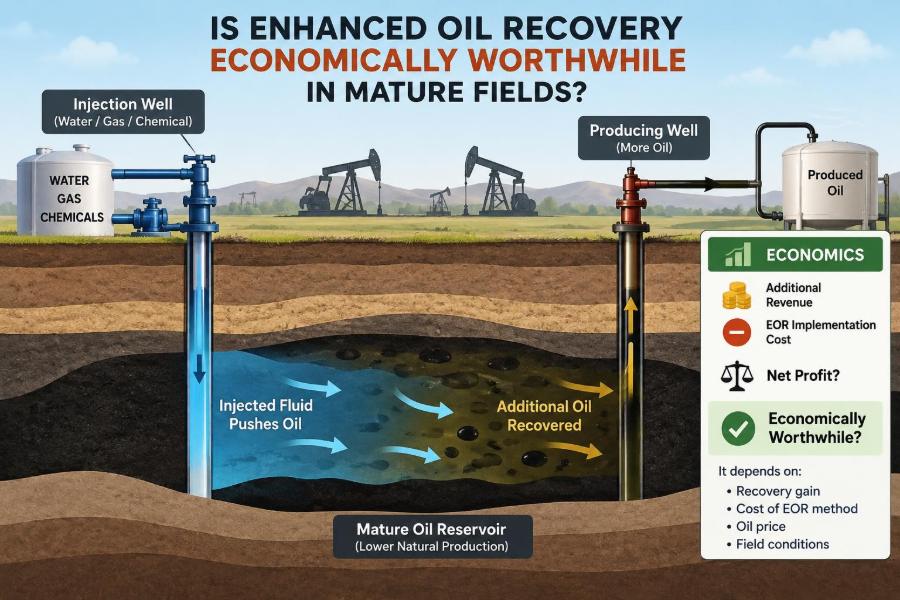
🛢️ Whether Enhanced Oil Recovery Is Economically Worthwhile in Mature Fields
Posted inFeatured

🛢️ Whether Enhanced Oil Recovery Is Economically Worthwhile in Mature Fields

Posted by admin October 12, 2026
More oil left underground does not automatically mean more profit. Explore the reservoir, facility, cost, timing, and risk tests that determine whether EOR is worth backing. 📊⚙️🛢️
Read More
🛢️ Are Digital Twins Making Oil and Gas Production More Efficient?
Posted inFeatured

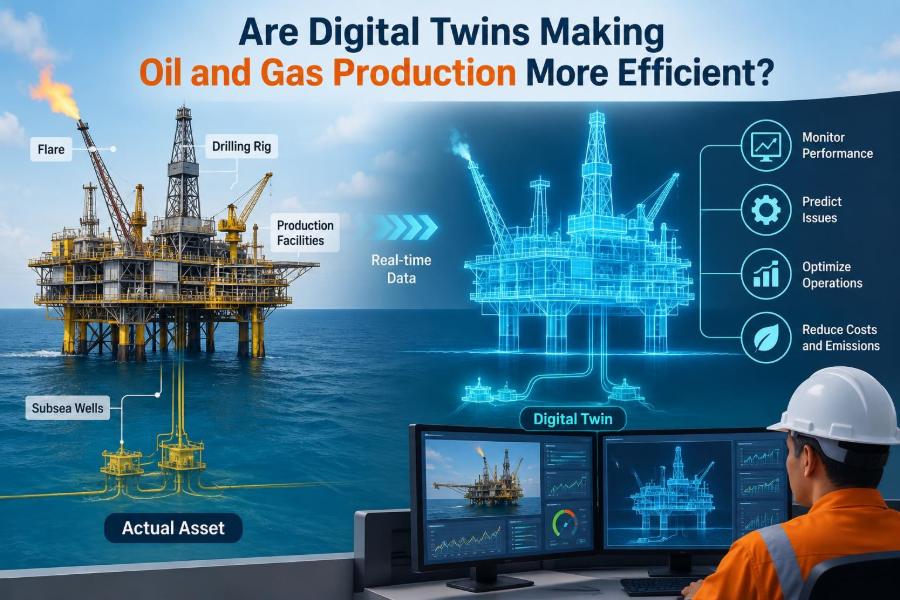
🛢️ Are Digital Twins Making Oil and Gas Production More Efficient?

Posted by admin October 11, 2026
See how digital twins connect wells, pipelines, facilities, and real-time data—and where they can mislead without sound engineering and validation. 📊⚙️🛢️
Read More
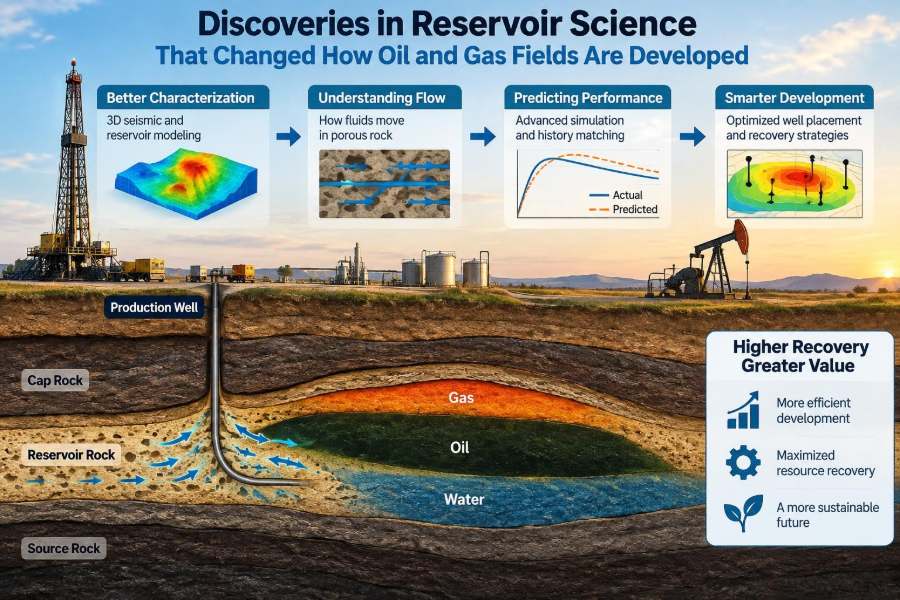
🛢️ Discoveries in Reservoir Science That Changed How Oil and Gas Fields Are Developed
Posted inFeatured

🛢️ Discoveries in Reservoir Science That Changed How Oil and Gas Fields Are Developed

Posted by admin October 11, 2026
From Darcy’s law to reservoir simulation, explore the discoveries that taught engineers to read rock, fluids, pressure, and flow before committing to a field plan. 🪨📉🧭
Read More
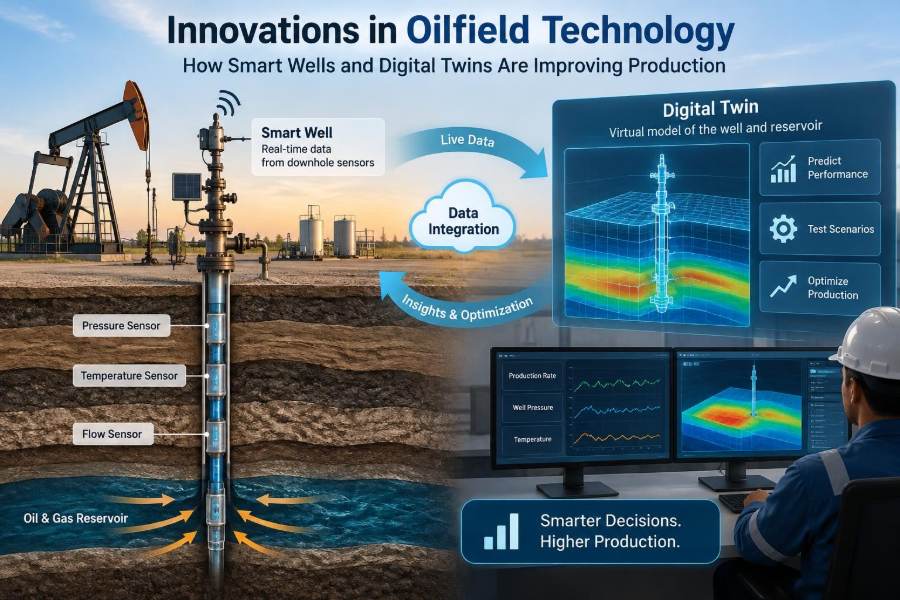
🛢️ Innovations in Oilfield Technology: How Smart Wells and Digital Twins Are Improving Production
Posted inFeatured

🛢️ Innovations in Oilfield Technology: How Smart Wells and Digital Twins Are Improving Production

Posted by admin October 10, 2026
See how downhole controls, live data, and digital twins help engineers manage water, optimize flow, and test production choices before acting. 🔧🧠🌊
Read More
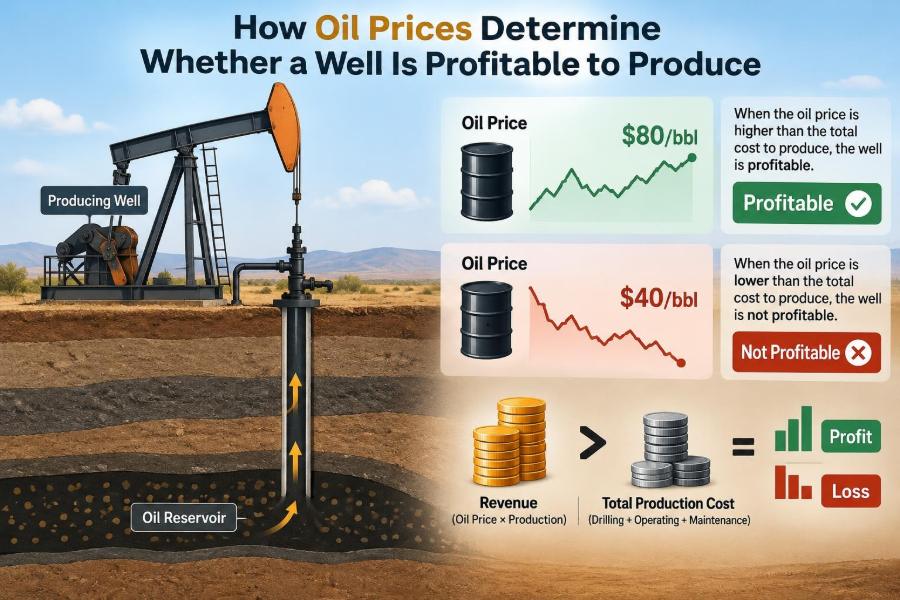
🛢️ How Oil Prices Determine Whether a Well Is Profitable to Produce
Posted inFeatured

🛢️ How Oil Prices Determine Whether a Well Is Profitable to Produce

Posted by admin October 10, 2026
A headline oil price is only the beginning. See how differentials, water disposal, artificial lift, royalties, and decline rates decide whether a well truly pays. 📉⚙️💧
Read More
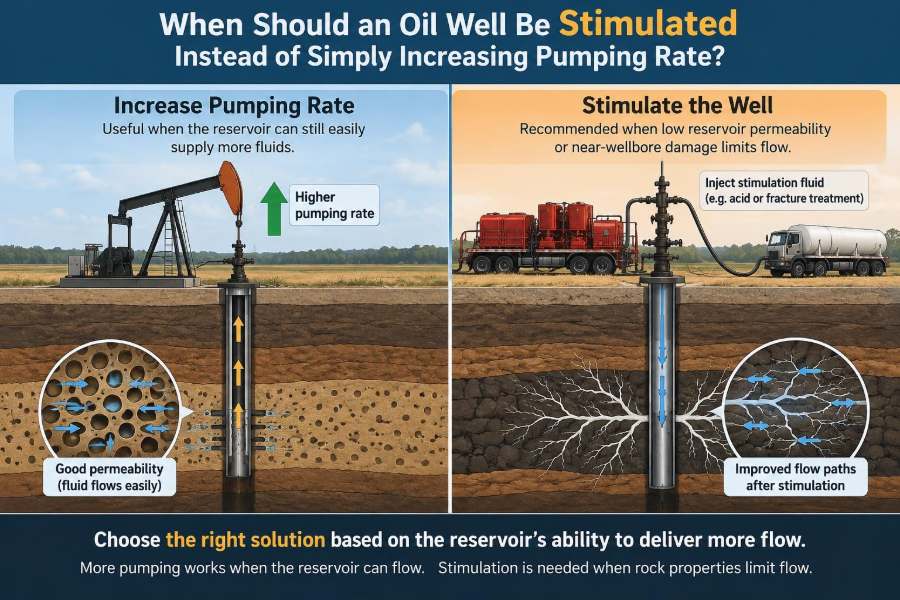
🛢️ When Should an Oil Well Be Stimulated Instead of Simply Increasing Pumping Rate?
Posted inFeatured

🛢️ When Should an Oil Well Be Stimulated Instead of Simply Increasing Pumping Rate?

Posted by admin October 9, 2026
A declining oil rate does not automatically mean the pump needs more speed. Learn how to identify inflow limits, formation damage, lift constraints, and treatment risks. 📉🔧🛢️
Read More
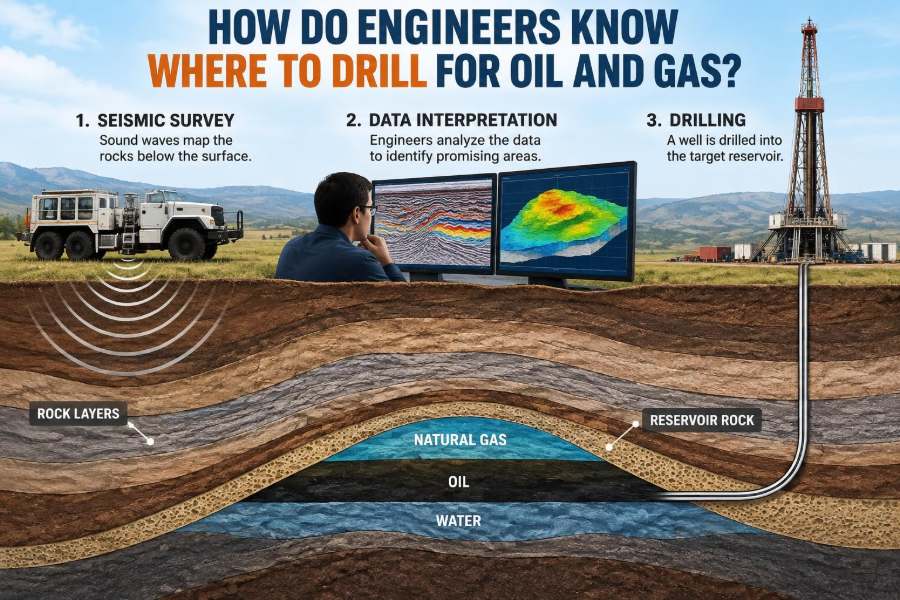
🛢️ Have You Ever Wondered How Engineers Know Where to Drill for Oil and Gas?
Posted inFeatured

🛢️ Have You Ever Wondered How Engineers Know Where to Drill for Oil and Gas?

Posted by admin October 9, 2026
A drilling location is built from seismic clues, rock data, pressure estimates, safety limits, and uncertainty—not guesswork. See how the subsurface puzzle comes together. 🧭🪨📡
Read More
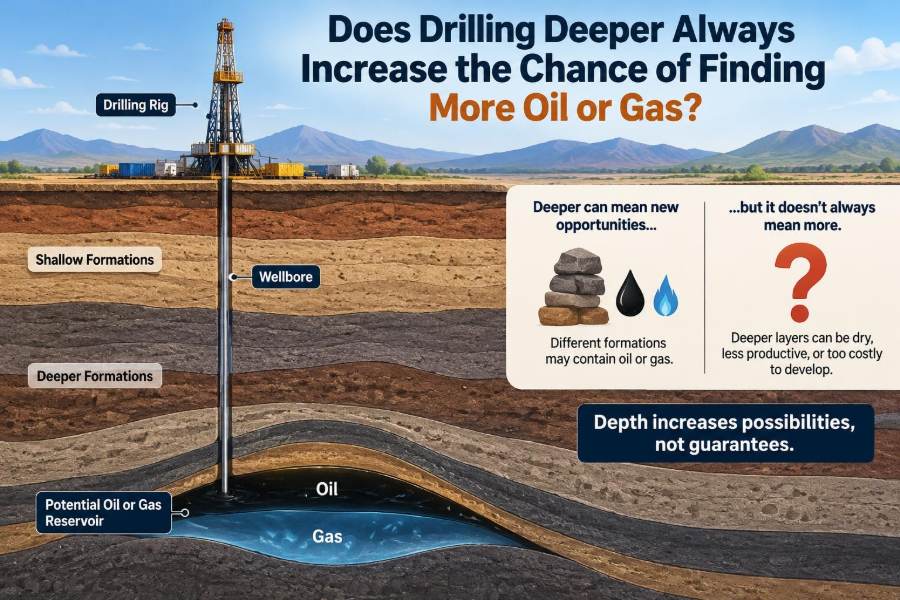
🛢️ Does Drilling Deeper Always Increase the Chance of Finding More Oil or Gas?
Posted inFeatured

🛢️ Does Drilling Deeper Always Increase the Chance of Finding More Oil or Gas?

Posted by admin October 8, 2026
A deeper well can reach a valuable new reservoir—or tighter, hotter, riskier rock. Learn what actually controls an oil or gas discovery. 🧭🪨⚙️
Read More
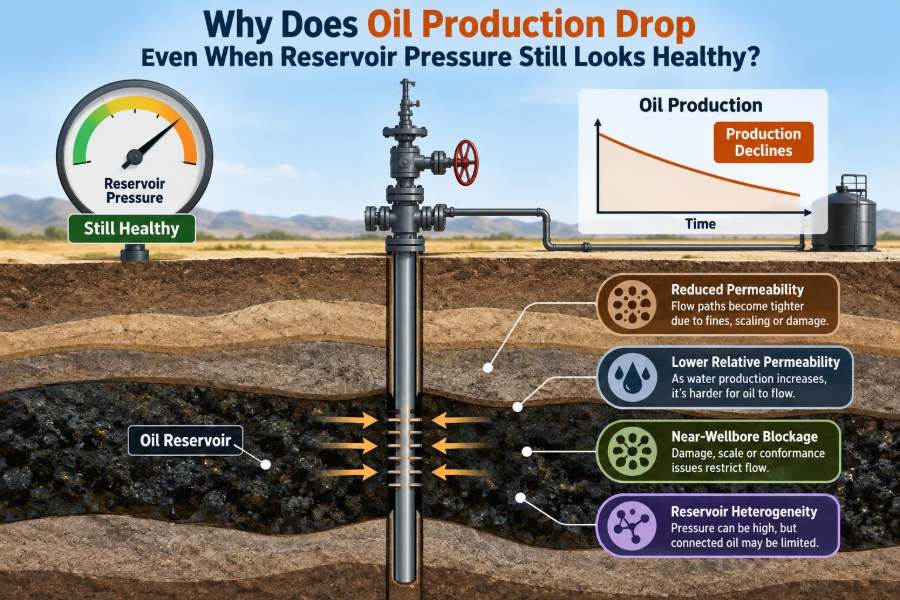
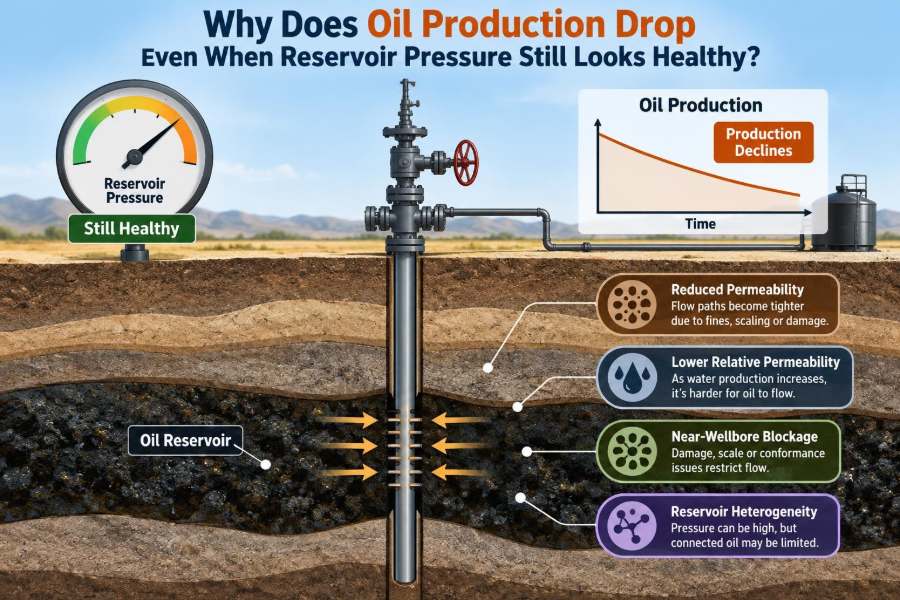
🛢️ Why Does Oil Production Drop Even When Reservoir Pressure Still Looks Healthy?
Posted inFeatured

🛢️ Why Does Oil Production Drop Even When Reservoir Pressure Still Looks Healthy?

Posted by admin October 8, 2026
A reservoir can retain pressure while a well loses deliverability. Explore water breakthrough, skin, gas, lift limits, and flow restrictions that explain the gap. 📉🔍🛠️
Read More

Posts pagination

Previous page 1 2 3 4 5 6 … 10 Next page
Recent Posts
  • 🛢️ How to Estimate Whether a Producing Well Is Becoming Economically Unviable
  • 🛢️ What Petroleum Engineers Actually Do After Oil Is Discovered
  • 🛢️ Is It Worth Reworking an Aging Oil Well to Recover More Production?
  • 🛢️ After Drilling Is Complete: How a Well Is Prepared for Oil and Gas Production
  • 🛢️ Inside an Oil Well: What Happens from the Reservoir to the Surface
Recent Comments
    Archives
    • November 2026
    • October 2026
    • September 2026
    • August 2026
    • March 2025
    • February 2025
    • November 2021
    • August 2021
    • July 2021
    Categories
    • Advanced Concepts
    • Basics
    • chemical engg thermodynamics
    • drilling operations
    • Featured
    • fluid mechanics
    • geophysics
    • Heat Transfer
    • Introductions
    • mass transfer
    • Natural Gas
    • petroleum equipment design
    • petroleum formation evaluation
    • petroleum geology
    • petroleum production
    • petroleum refining and petrochemicals
    • reservoir engg
    Meta
    • Register
    • Log in
    • Entries feed
    • Comments feed
    • WordPress.org
    Copyright 2026 — Petroleum Engineering. All rights reserved. Bloghash WordPress Theme
    Scroll to Top